Dostoevsky's Empathy and Literary Ambitions in a Letter to a Grieving Friend
Russia
Literature
Personal Relationships
4 min read
Updated By: History Editorial Network (HEN)
Published:
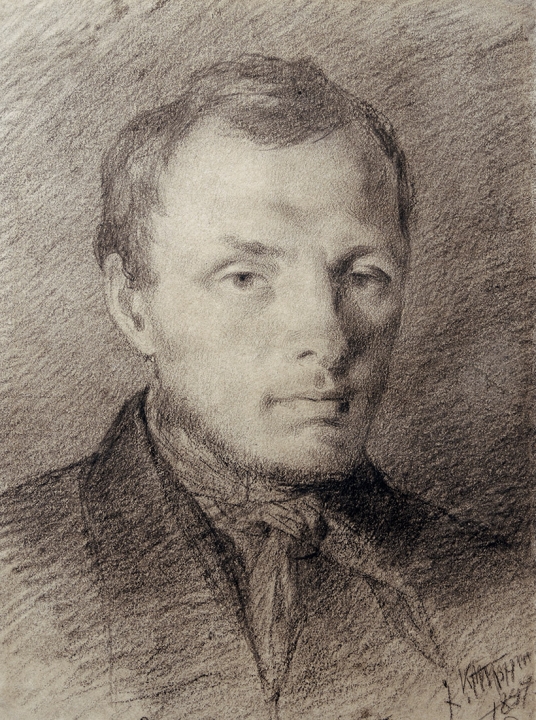
During late 1843, Fyodor Dostoevsky wrote a letter to P. A. Karepin, a widower, from Saint Petersburg. This period in Dostoevsky's life was marked by his growing literary aspirations and ongoing struggles with financial instability. Dostoevsky, who had recently completed his first novel, "Poor Folk," was beginning to make a name for himself in the Russian literary scene.
The letter addressed to Karepin, who had recently lost his wife, is an example of Dostoevsky's engagement with personal relationships and his empathetic understanding of human suffering. He expressed condolences and offered support, reflecting his own experiences with grief and hardship. Dostoevsky's early life was characterized by significant personal losses, including the deaths of his parents, which had a profound impact on his outlook and writings.
This communication with Karepin displayed Dostoevsky's deep commitment to forming and maintaining meaningful personal connections, a theme that would permeate his later works. At this time, Dostoevsky was gradually being recognized by his contemporaries and critics, with figures like Vissarion Belinsky starting to notice his literary potential. This recognition was crucial as it paved the way for Dostoevsky's future successes and established his reputation in Russian literature.
By writing this letter, Dostoevsky not only provided comfort to a grieving friend but also engaged in a practice that would become a hallmark of his literary career—delving into the psychological and emotional depths of human experience. This early act of empathy highlighted his evolving philosophy that would later manifest in his celebrated novels.
#Dostoevsky #LiteraryHistory #EmpathyInLetters #HumanExperience #SaintPetersburg #RussianLiterature #MoofLife
Primary Reference
List of letters from Fyodor Dostoevsky - Wikipedia
Explore the Life Moments of
 AI Twin