Bakhtin's Polyphonic Analysis of Dostoevsky's Novels Transforms Literary Theory
Russia
Literary Theory
Academic Research
4 min read
Updated By: History Editorial Network (HEN)
Published:
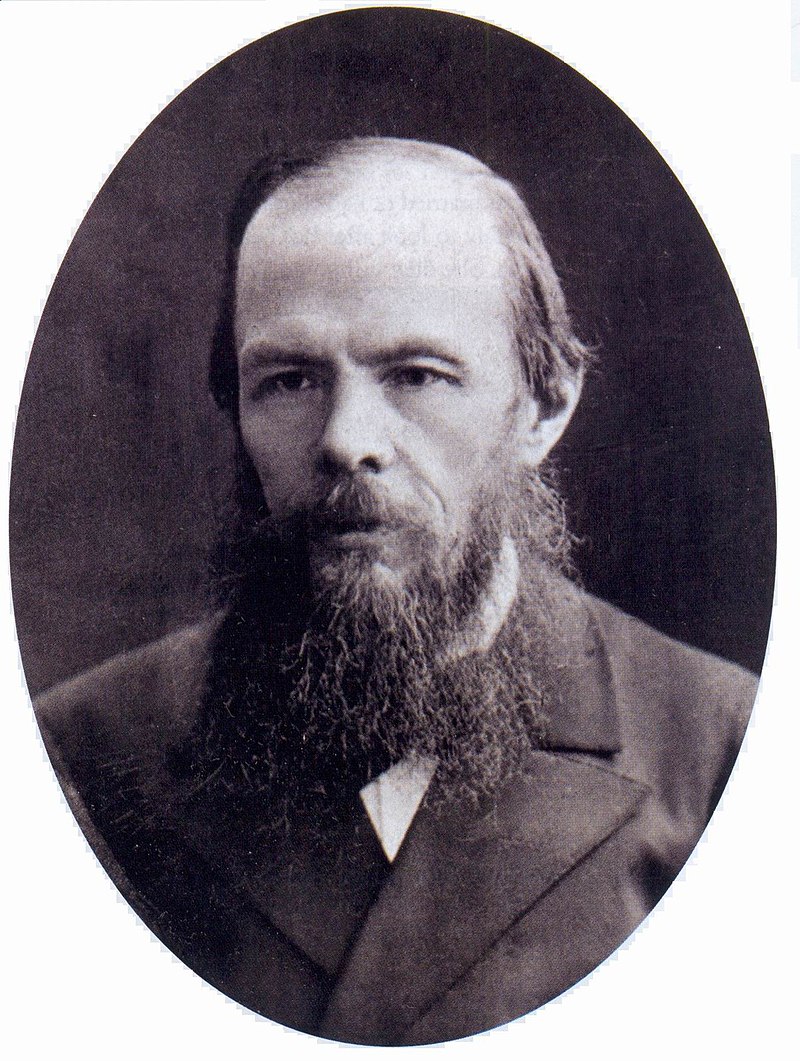
Mikhail Bakhtin's critical work, "Problems of Dostoevsky's Creative Art," was published, introducing an analytical framework for Fyodor Dostoevsky's novels, with particular focus on the polyphonic style. This publication presented Bakhtin’s concept of polyphony, where multiple voices, independent and unmerged into a single perspective, coexist within the text, offering a complex dynamic of character interactions and viewpoints.
Bakhtin's analysis diverged from the traditional monologic perspective, emphasizing the multiplicity and distinctiveness of voices within Dostoevsky's works. This theoretical approach highlighted how each character in Dostoevsky's novels was not merely a mouthpiece for the author's ideas but had a fully realized consciousness with its narrative validity.
The release of "Problems of Dostoevsky's Creative Art" had a substantial impact on literary criticism and theory. It challenged prevailing notions of narrative structure and character development, offering new methodologies for literary analysis and interpretation. The book catalyzed further scholarly discussions on dialogism and heteroglossia, extending Bakhtin's influence beyond Russian literature to global literary studies.
Indeed, Bakhtin's work has been referenced and utilized in multiple academic fields, such as philosophy, cultural studies, and psychoanalysis, signifying its interdisciplinary relevance. It reinvigorated interest in Dostoevsky’s literature, prompting reevaluations of his novels through the lens of dialogic interaction.
#MoofLife #Polyphony #LiteraryTheory #Bakhtin #Dostoevsky #Dialogism
Primary Reference
Russian Views of Pushkin's Eugene Onegin - Project MUSE
Explore the Life Moments of
 AI Twin