Adaptations of Dostoevsky in 1950s redefine classic literature for modern audiences.
Russia
Entertainment
Literature
4 min read
Updated By: History Editorial Network (HEN)
Published:
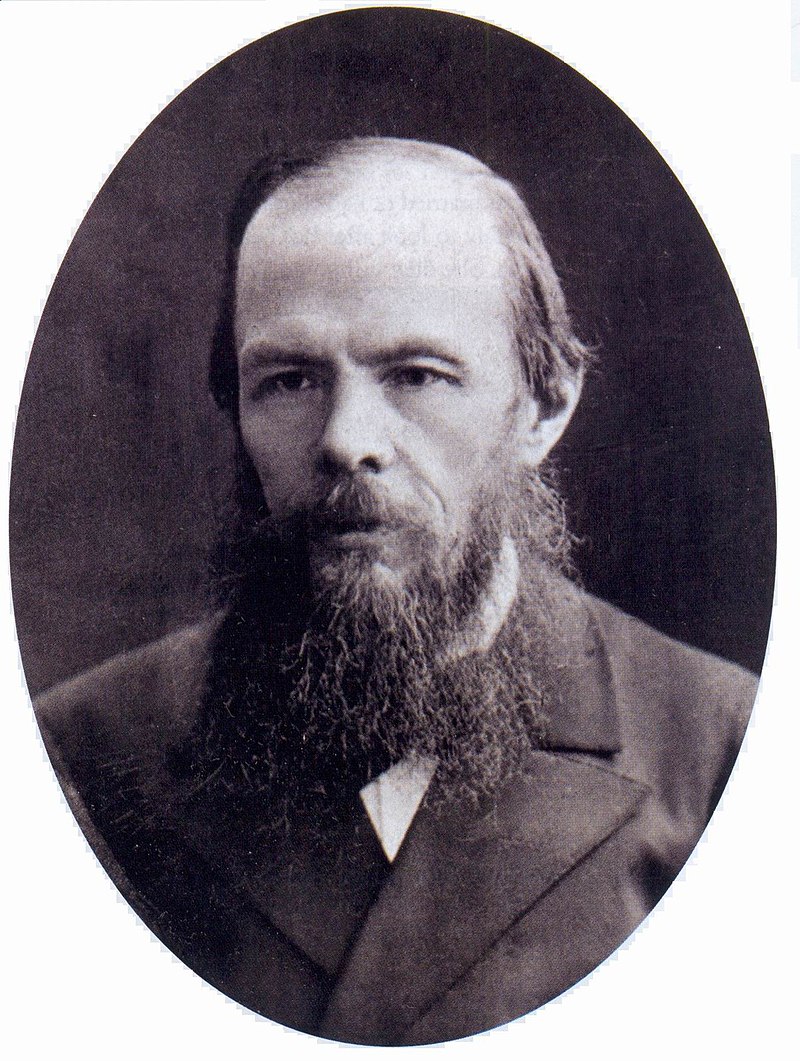
In the late 1950s, there was an increasing interest in adapting literary classics for modern audiences. Fyodor Dostoevsky, a 19th-century Russian novelist known for his complex characters and exploration of psychological themes, became a focal point for adaptations. Among these adaptations, Sergei Prokofiev's opera, "The Gambler," and Akira Kurosawa's film, "The Idiot," gained significant attention.
Prokofiev's "The Gambler" was based on Dostoevsky's novella of the same name. While Prokofiev had completed the opera years earlier, it was during this period that it began to be truly celebrated. The opera brought Dostoevsky’s exploration of human behavior, addiction, and the social implications of gambling to a wider audience through its bold, modernist musical style.
Simultaneously, Akira Kurosawa's "The Idiot," an adaptation of Dostoevsky's novel, employed cinematic techniques to explore themes of purity, innocence, and the clash with a corrupt society. Though not initially successful in commercial terms, Kurosawa’s film began to be appreciated for its deep emotional and philosophical insights, which mirrored Dostoevsky's narrative intentions.
These adaptations played a crucial role in rekindling interest in Dostoevsky’s works, making his stories accessible to new demographics. The renewed recognition contributed to a broader appreciation of Russian literature and made Dostoevsky relevant to mid-20th-century cultural dialogues.
The impact was evident in various cultural arenas, including literature, music, and film studies. Scholars and critics began to draw connections between Dostoevsky's original themes and contemporary societal issues. Additionally, these adaptations paved the way for future reinterpretations of Dostoevsky’s works in various artistic forms.
#Dostoevsky #Adaptations #TheGamblerOpera #TheIdiotFilm #CulturalImpact #ModernArt #LiteratureAndFilm #MoofLife
Primary Reference
21 Reflections of Dostoevsky in Pop Culture
Explore the Life Moments of
 AI Twin