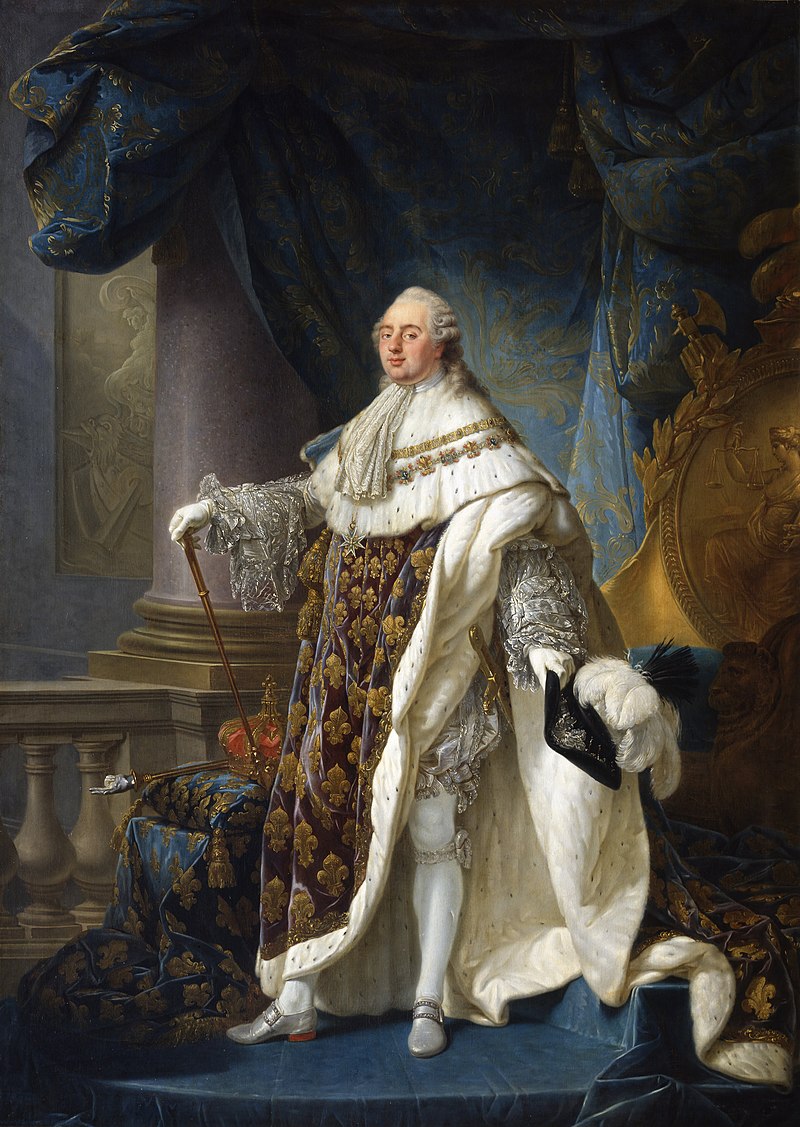
Louis XVI, the grandson of Louis XV, ascended to the throne
France
4 min read
Updated By: History Editorial Network (HEN)
Published:
Updated:
Louis XVI, the grandson of Louis XV, ascended to the throne during a period marked by financial crisis and social unrest in France. His reign began with the expectation of reform, but he struggled to implement necessary changes to address the economic difficulties faced by the country. The financial burden of supporting the American Revolution, combined with widespread discontent among the populace due to high taxes and food shortages, led to increasing calls for political reform. In response to the growing unrest, Louis XVI was forced to accept the establishment of a constitutional monarchy in an attempt to appease the revolutionaries. However, this compromise failed to satisfy the demands for more radical changes, and tensions escalated as revolutionary fervor spread across France.
The proclamation of the First Republic marked a pivotal shift in the political landscape, leading to the formal deposition of Louis XVI. His execution in public was a significant event that symbolized the definitive end of the monarchy in France. This act not only underscored the revolutionary zeal of the time but also set a precedent for the treatment of former monarchs. The execution had profound implications for France and Europe, as it signaled the rise of republican ideals and the decline of absolute monarchy. The aftermath of his death contributed to the radicalization of the revolution, leading to further political turmoil and the eventual rise of figures like Robespierre and the Reign of Terror.
#mooflife
#MomentOfLife
#LouisXvi
#FrenchRevolution
#FirstRepublic
#Monarchy
#PublicExecution
Primary Reference
Louis XVI

Explore the Life Moments of
 AI Twin