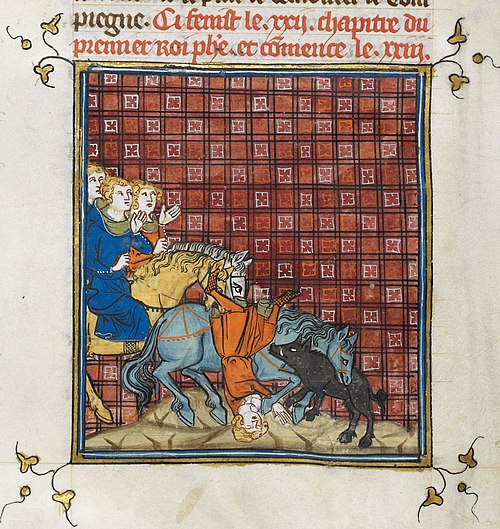
Death of Philippe Junior King
France
Monarchy
Medieval Period
3 min read
Updated By: History Editorial Network (HEN)
Published:
Updated:
Philippe, known as the junior king, was the son of Louis VI. His reign was brief, lasting from his appointment until his death at the age of 15. Philippe's role as junior king was primarily symbolic, as he was positioned to succeed his father, Louis VI, who was a significant figure in the French monarchy. The title of junior king was often given to heirs apparent, allowing them to gain experience in governance and prepare for future leadership. Philippe's untimely death in 1131 marked a notable moment in the royal lineage, as it left a gap in the succession plan for the French crown. The impact of his death was felt within the royal court and among the nobility, as it raised concerns about the stability of the monarchy and the future of the Capetian dynasty. The loss of a young heir also highlighted the vulnerabilities of royal families during this period, where mortality rates were high among the young due to various factors, including disease and lack of medical knowledge. Philippe's death would have implications for the political landscape, as it necessitated a reevaluation of succession and alliances among the nobility, which were crucial for maintaining power and influence in medieval France.
#mooflife
#MomentOfLife
#PhilippeJuniorKing
#LouisVi
#FrenchMonarchy
#CapetianDynasty
#MedievalHistory
Primary Reference
Philip of France (1116–1131)
Explore the Life Moments of
 AI Twin