Louis Philippe's Reign in July Monarchy
France
Monarchy
France
4 min read
Updated By: History Editorial Network (HEN)
Published:
Updated:
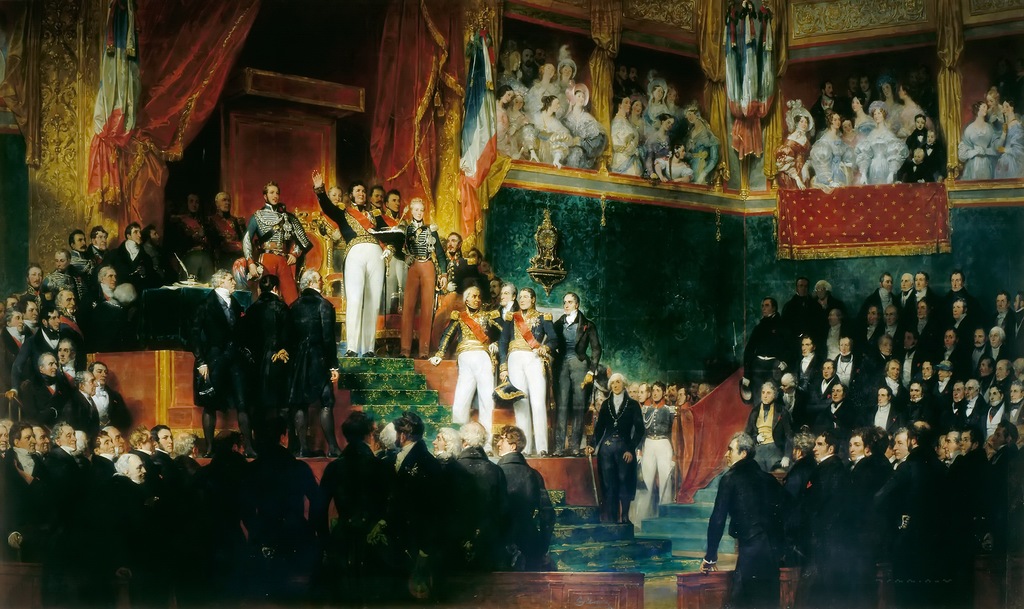
Louis Philippe I ascended to the throne during the July Monarchy, which marked a significant shift in French governance following the fall of Napoleon. As a member of the House of Bourbon-Orléans, he was a distant cousin of Louis XVI and claimed descent from Philippe I, Duke of Orléans. His reign was characterized by a constitutional monarchy that aimed to balance the interests of the bourgeoisie and the aristocracy. Louis Philippe's government was established after a revolution that sought to replace the Bourbon monarchy with a more liberal regime, reflecting the growing influence of the middle class in France. The July Monarchy was notable for its emphasis on property rights and economic liberalism, which appealed to the bourgeoisie but often alienated the working class and rural populations.
During Louis Philippe's reign, France experienced significant industrial growth and urbanization, which transformed its economy and society. However, this period was also marked by social unrest and political opposition, as many felt that the government favored the wealthy elite at the expense of broader social reforms. The regime faced challenges from various political factions, including republicans and socialists, who demanded more radical changes. The discontent culminated in widespread protests and ultimately led to the abdication of Louis Philippe, signaling the end of the July Monarchy. This transition paved the way for the establishment of the Second Republic, highlighting the ongoing struggle between different social classes and political ideologies in France.
#mooflife
#MomentOfLife
#LouisPhilippeI
#JulyMonarchy
#FrenchHistory
#ConstitutionalMonarchy
#SecondRepublic
Primary Reference
Louis Philippe I

Explore the Life Moments of
 AI Twin