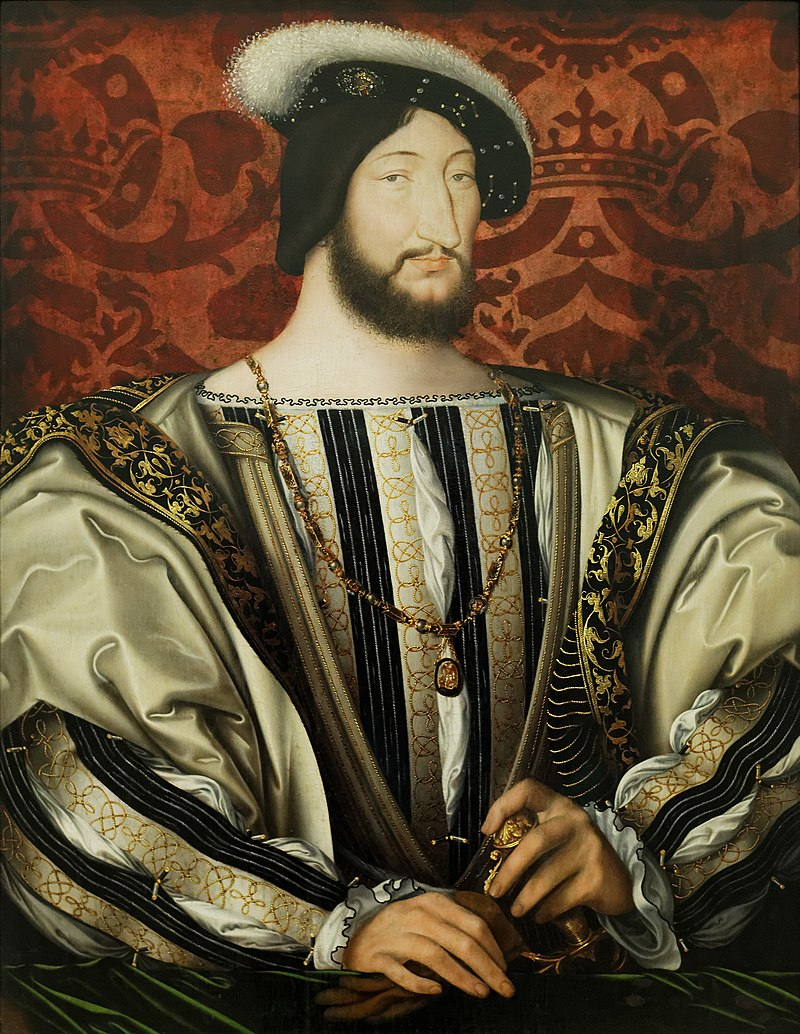
Francis I: Father of Letters
France
Literature
4 min read
Updated By: History Editorial Network (HEN)
Published:
Updated:
Francis I, known as 'the Father of Letters', was a prominent figure in the Renaissance period, recognized for his significant contributions to the arts and scholarship. His reign marked a transformative era in France, characterized by a strong emphasis on cultural development and intellectual pursuits. As a patron, he supported various artists, writers, and scholars, fostering an environment that encouraged creativity and innovation. His court became a hub for intellectual exchange, attracting notable figures such as Leonardo da Vinci, who spent his final years in France under Francis's patronage. This collaboration not only enriched French culture but also facilitated the introduction of Renaissance ideals into the country, influencing the arts and education profoundly.
The impact of Francis I's reign extended beyond the arts; it also played a crucial role in shaping the French language and literature. He promoted the use of the vernacular in literature, which helped to elevate the status of the French language. This initiative was part of a broader effort to establish a national identity and cultural pride among the French people. Under his rule, the establishment of the Collège de France and the promotion of humanist studies contributed to the intellectual landscape of the nation. Statistics indicate that during his reign, there was a marked increase in the number of published works and the establishment of printing presses, which facilitated the spread of knowledge. Overall, Francis I's legacy as a patron of the arts and a promoter of scholarship has had a lasting influence on French culture and education.
#mooflife
#MomentOfLife
#FrancisI
#FatherOfLetters
#Renaissance
#PatronOfTheArts
#FrenchCulture
Primary Reference
Francis I of France
Explore the Life Moments of
 AI Twin