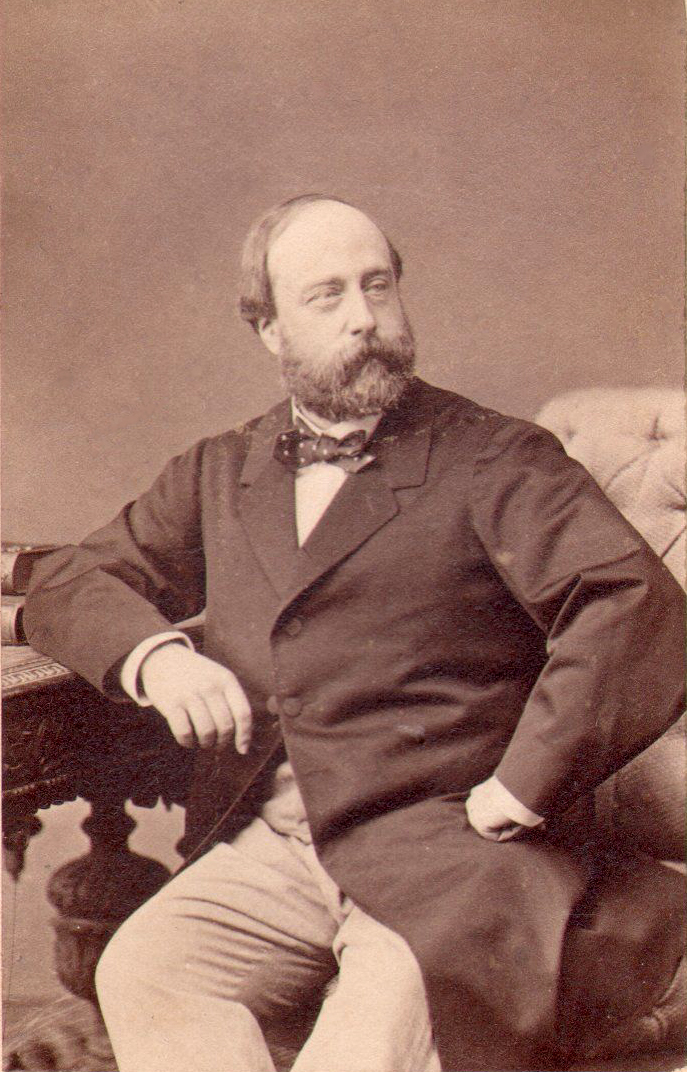
Death of Henri V without heirs
France
Historical Events
Monarchical Succession
Political Factions
4 min read
Updated By: History Editorial Network (HEN)
Published:
Updated:
The death of Henri V marked a pivotal moment in the history of the French monarchy and the Legitimist movement. As the head of the House of Bourbon, Henri V's passing without heirs created a significant leadership vacuum. This situation led to a division within the Legitimist faction, which had been advocating for the restoration of the Bourbon monarchy in France. The faction split into two distinct groups: the Unionists and the Blancs d'Espagne. The Unionists supported Philippe, an Orléanist claimant, as the rightful pretender to the French throne, while the Blancs d'Espagne argued that the next claimant should come from the Spanish Bourbon line, adhering to the principle of primogeniture. This division highlighted the complexities of royal succession and the differing interpretations of legitimacy within the context of French history.
The impact of Henri V's death extended beyond the immediate political ramifications. It underscored the ongoing tensions between the Orléanists and the Legitimists, which had roots in the broader struggle for power among the French nobility. The debate over succession reflected deeper societal divisions regarding the monarchy's role in France. The split within the Legitimist faction also indicated a shift in public sentiment towards the monarchy, as the support for the Orléanist claimants began to gain traction among certain segments of the population. This event not only influenced the future of the Bourbon lineage but also contributed to the evolving narrative of French royalism, as factions continued to vie for legitimacy and influence in a changing political landscape.
#mooflife
#MomentOfLife
#HenriV
#HouseOfBourbon
#LegitimistFaction
#FrenchMonarchy
#RoyalSuccession
Primary Reference
Henri, Count of Chambord

Explore the Life Moments of
 AI Twin