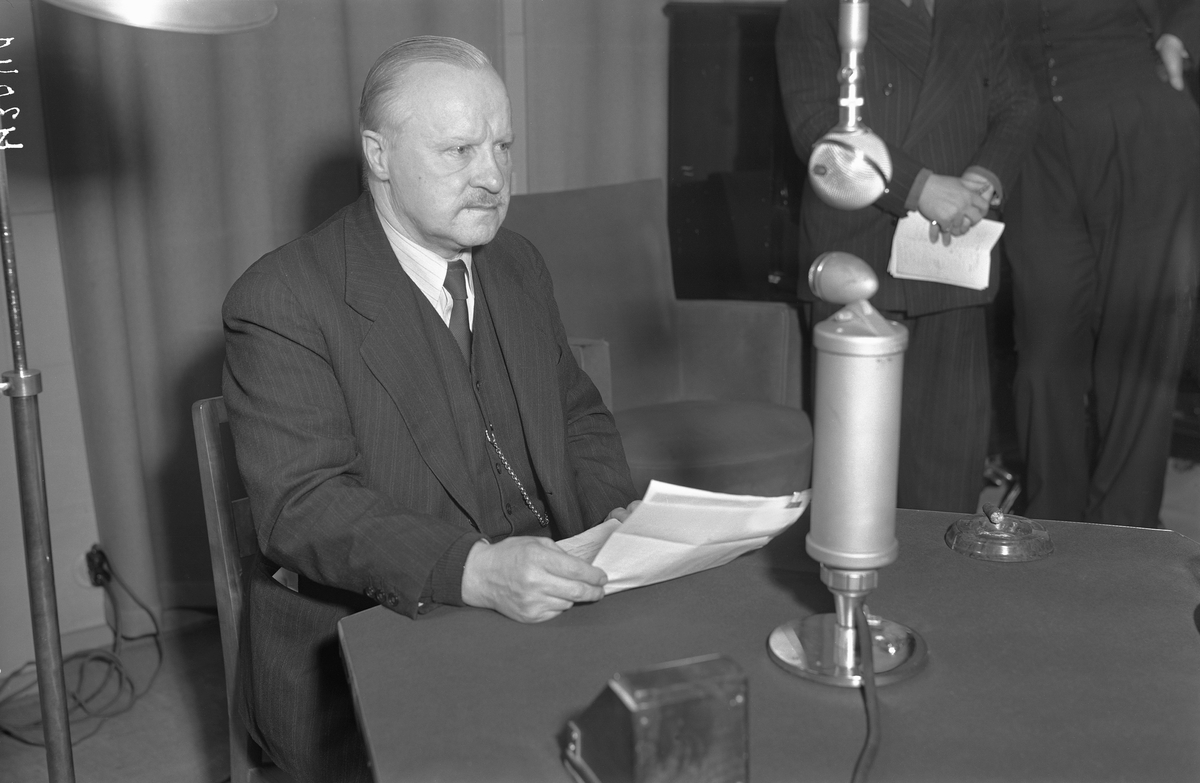
Treaty of Moscow ends Winter War
Finland

Political
4 min read
Updated By: History Editorial Network (HEN)
Published:
In March 1940, Finland signed the Treaty of Moscow, concluding the Winter War with the Soviet Union. This conflict began when the Soviet Union invaded Finland in November of the previous year, aiming to reclaim territory lost during the Russian Revolution. Despite Finland's brave resistance, the sheer size and military strength of the Soviet army posed a significant challenge.
The Treaty of Moscow marked the end of hostilities between the two nations. Finland agreed to cede territory, including parts of Karelia and Salla, to the Soviet Union. In return, Finland retained its independence and sovereignty. The treaty also established a new border between the two countries, solidifying their respective territorial claims.
The impact of the Treaty of Moscow was significant for Finland. While the country had to make territorial concessions, it managed to maintain its autonomy and avoid total occupation by the Soviet Union. The war had taken a toll on Finland's population and infrastructure, but the treaty allowed for the rebuilding and recovery of the nation.
The signing of the treaty also had broader implications for the geopolitics of the region. It signaled the end of the Winter War and the beginning of a period of relative stability between Finland and the Soviet Union. Finland would later become involved in the Continuation War, aligning itself with Nazi Germany against the Soviet Union. However, the Treaty of Moscow remains a key event in Finnish history, shaping the country's relationship with its powerful neighbor for years to come.
#Finland #TreatyofMoscow #WinterWar #SovietUnion #TerritorialConcessions
Primary Reference
Winter War - Wikipedia
Explore the Life Moments of
 AI Twin