Lapland War: Conflict with Nazi Germany began
Finland
Military
4 min read
Updated By: History Editorial Network (HEN)
Published:
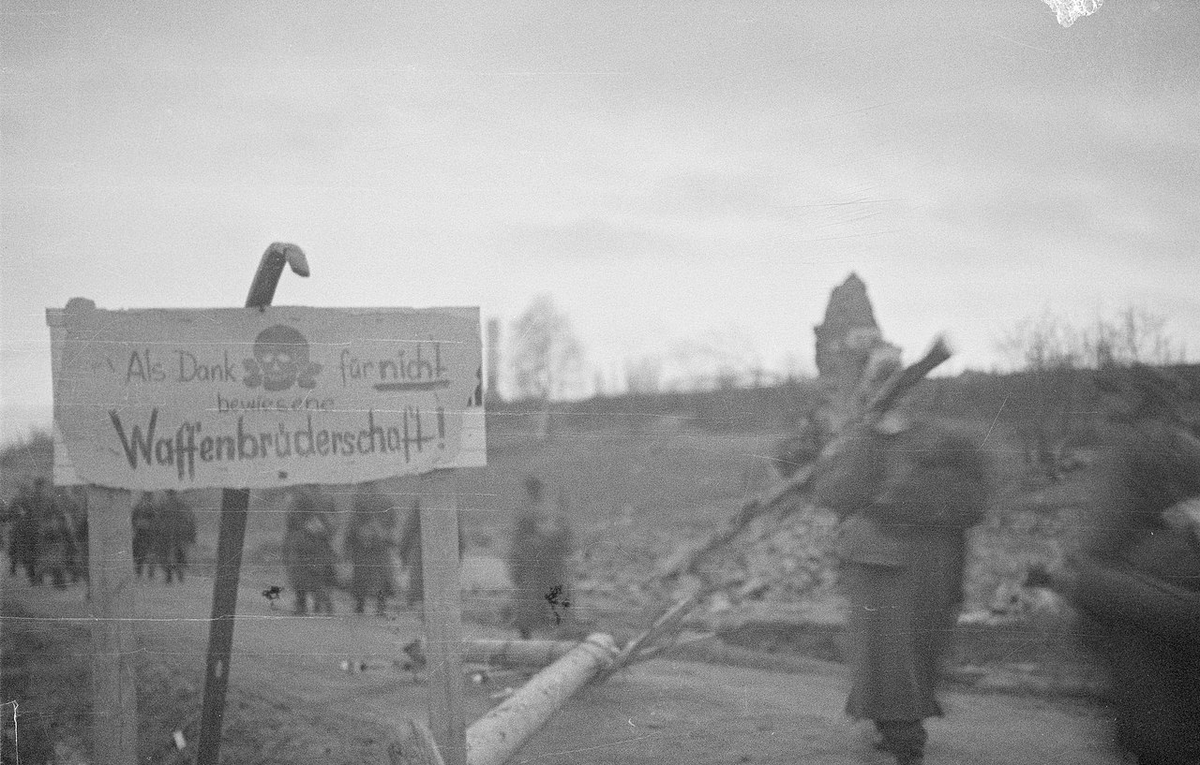
During the Lapland War, Finland initiated military action against Nazi Germany. This conflict arose as a result of the Moscow Armistice, which required Finland to drive German forces out of its territory. The Lapland War marked the end of Finland's alliance with Germany during World War II.
The war had a significant impact on the region as it caused widespread destruction and displacement of civilians. Finnish troops, supported by the Soviet Union, launched a series of offensives against German forces, resulting in heavy casualties on both sides. The harsh winter conditions in Lapland added to the challenges faced by the soldiers.
As the conflict progressed, German forces retreated towards Norway, leaving behind a trail of destruction in their wake. The Lapland War led to the evacuation of around 100,000 civilians from the region, as both Finnish and German forces engaged in scorched-earth tactics.
The war formally ended with the signing of the Armistice of Moscow in September 1944, which solidified Finland's shift towards a pro-Soviet stance. The Lapland War demonstrated Finland's determination to assert its independence and safeguard its territorial integrity.
The legacy of the Lapland War continues to be remembered in Finland as a tumultuous period that tested the nation's resilience and resolve. The conflict highlighted the complexities of Finland's position during World War II and the difficult choices it had to make in the face of external pressures.
#LaplandWar #Finland #NaziGermany #WorldWarII #MoscowArmistice
Primary Reference
Lapland War - Wikipedia
Explore the Life Moments of
 AI Twin