Great Northern War Begins
Finland

EuropeanConflict
4 min read
Updated By: History Editorial Network (HEN)
Published:
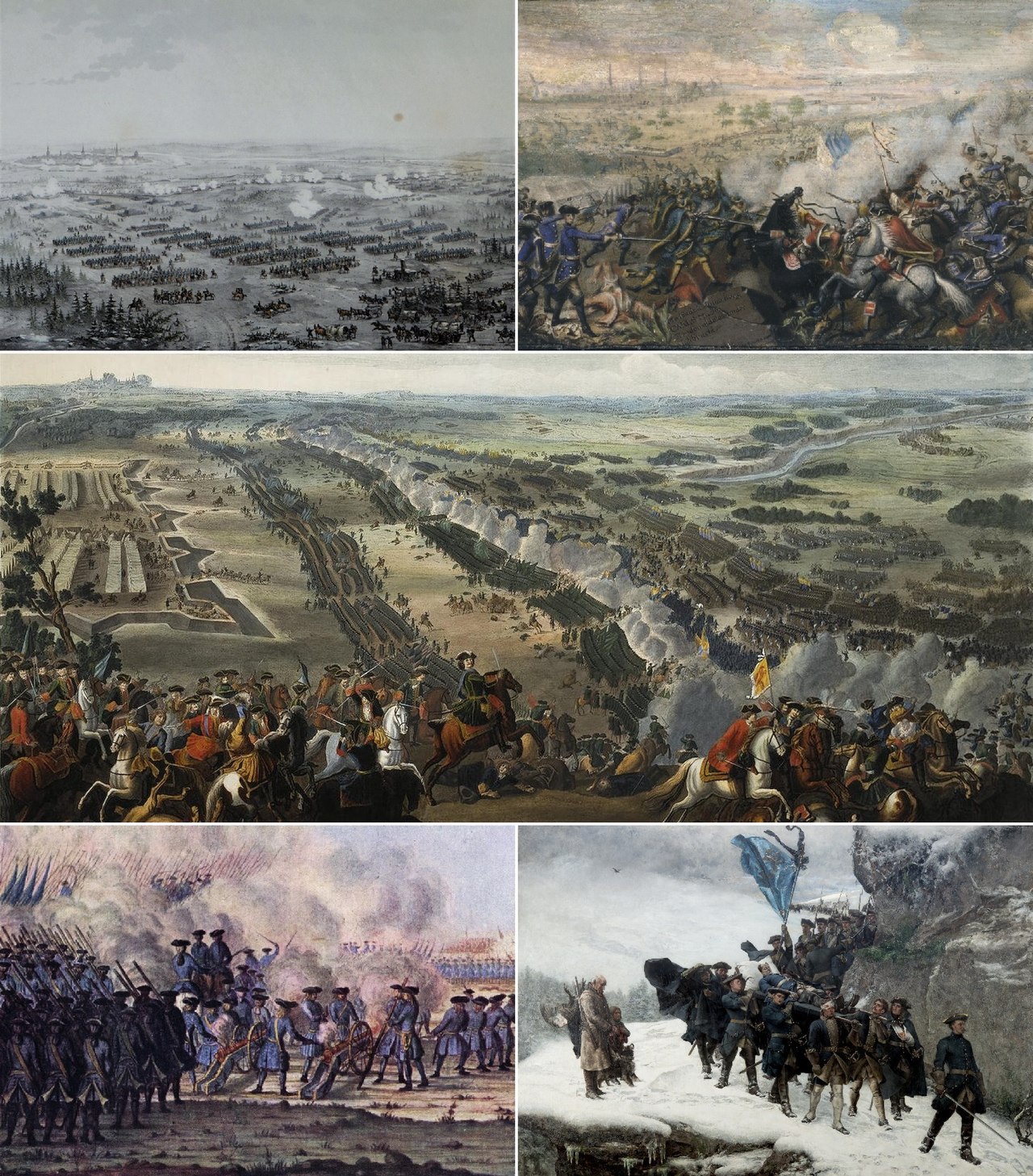
The Great Northern War erupted after multiple countries challenged the dominance of the Swedish Empire in Northern Europe. The war stemmed from longstanding territorial disputes, power struggles, and competition over trade routes in the region. Sweden, led by King Charles XII, faced a coalition of adversaries including Russia, Denmark-Norway, and Poland-Lithuania.
The war had a profound impact on the Kingdom of Finland, then a part of the Swedish realm. The region became a crucial battleground, witnessing significant military campaigns and shifting alliances. The conflict resulted in widespread devastation, with Finnish towns and villages caught in the crossfire. The local population suffered from pillaging, conscription, and economic hardship as the war dragged on.
One of the most notable events of the war was the Battle of Poltava, where the Swedish forces suffered a decisive defeat at the hands of the Russian army. This battle marked a turning point in the conflict, leading to Sweden's decline as a dominant power in the region. Ultimately, the Great Northern War concluded with the Treaty of Nystad, where Sweden ceded significant territories, including parts of modern-day Finland, to Russia.
The aftermath of the war had long-lasting consequences for Finland, as the region came under Russian control and experienced a shift in political and cultural influences. The war also catalyzed social and economic changes, contributing to the evolution of Finnish identity and shaping its future trajectory.
The Great Northern War, with its impact on Finland and the broader Northern European region, remains a pivotal chapter in history, underscoring the complexities of power dynamics, conflict resolution, and territorial ambitions in the early 18th century.
#GreatNorthernWar #FinlandHistory #EuropeanConflict
Primary Reference
Great Northern War - Wikipedia
Explore the Life Moments of
 AI Twin