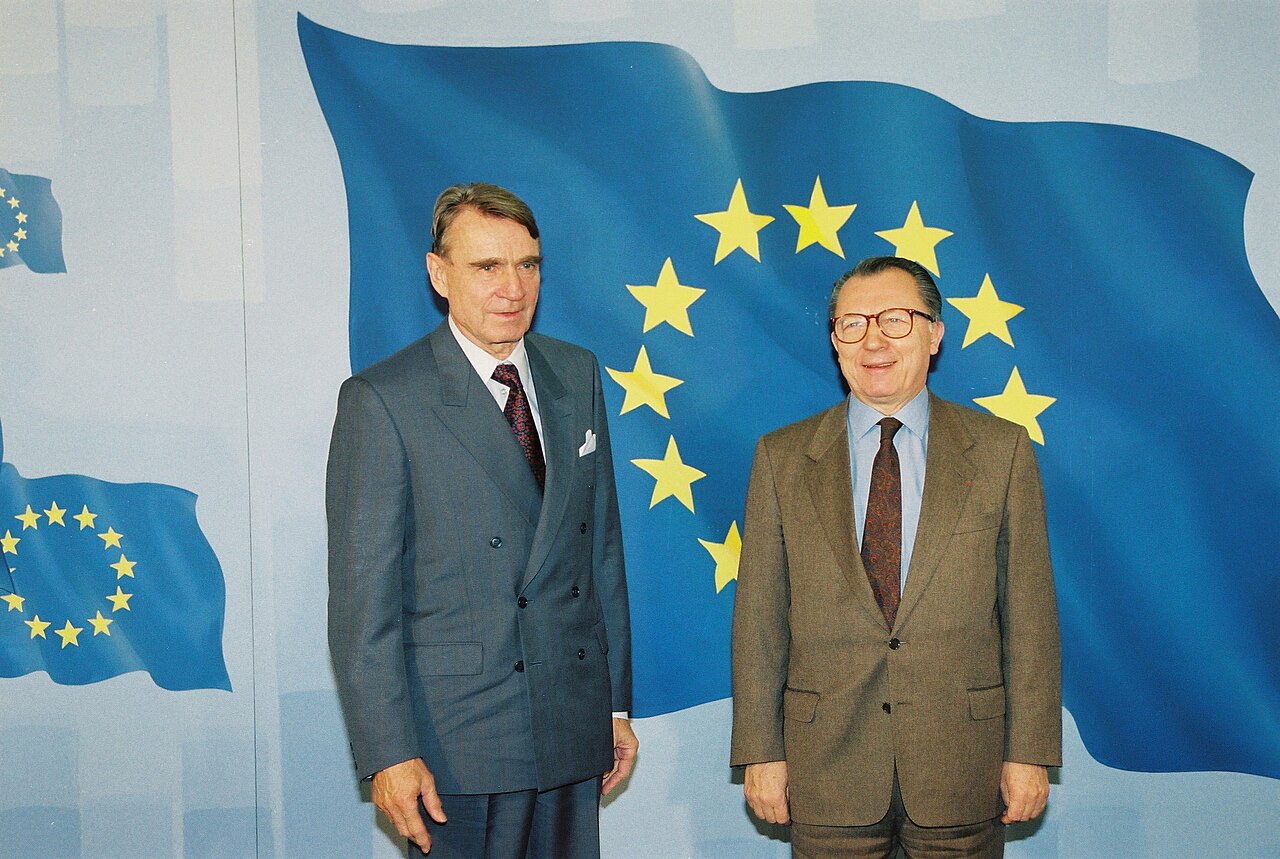
Finland Joins European Union
Finland

Political
Economic Integration
4 min read
Updated By: History Editorial Network (HEN)
Published:
Back in the early 1990s, Finland underwent a significant shift by becoming a member of the European Union. This marked a pivotal moment in the country's history as it transitioned towards closer economic and political integration with other European nations.
The decision to join the EU stemmed from Finland's desire to secure access to a larger market, promote economic growth, and enhance its international standing. It also aimed to strengthen the country's ties with its European neighbors and contribute to the overall stability and prosperity of the region.
Joining the EU had a profound impact on Finland's economy, trade relations, and legislative framework. The country gained access to the EU's single market, enabling the free movement of goods, services, capital, and people. This opened up new opportunities for Finnish businesses to expand their reach and compete on a larger scale.
Furthermore, Finland's participation in EU decision-making processes allowed the country to have a voice in shaping common policies on various issues such as trade, agriculture, and environmental protection. This integration into the EU also facilitated greater cooperation with other member states on security, justice, and social matters.
Overall, Finland's accession to the EU marked a significant milestone in the country's history, signaling its commitment to European integration and collaboration. It represented a step towards a more interconnected and interdependent Europe, where countries work together to address common challenges and pursue shared objectives.
#Finland #EuropeanUnion #EconomicIntegration #InternationalCooperation
Primary Reference
Finland – EU country profile | European Union
Explore the Life Moments of
 AI Twin