Conclusion of the Great Northern War
Finland

Political
Geopolitics
3 min read
Updated By: History Editorial Network (HEN)
Published:
The Great Northern War ended after over two decades of conflicts between multiple European powers, primarily Sweden and Russia, vying for control over the Baltic region. The Treaty of Nystad was signed, marking the conclusion of hostilities.
The war had significant consequences for Finland, as the country had been a battleground for much of the conflict, with widespread destruction and loss of life. The end of the war resulted in Sweden ceding parts of modern-day Finland to Russia, altering the geopolitical landscape of the region.
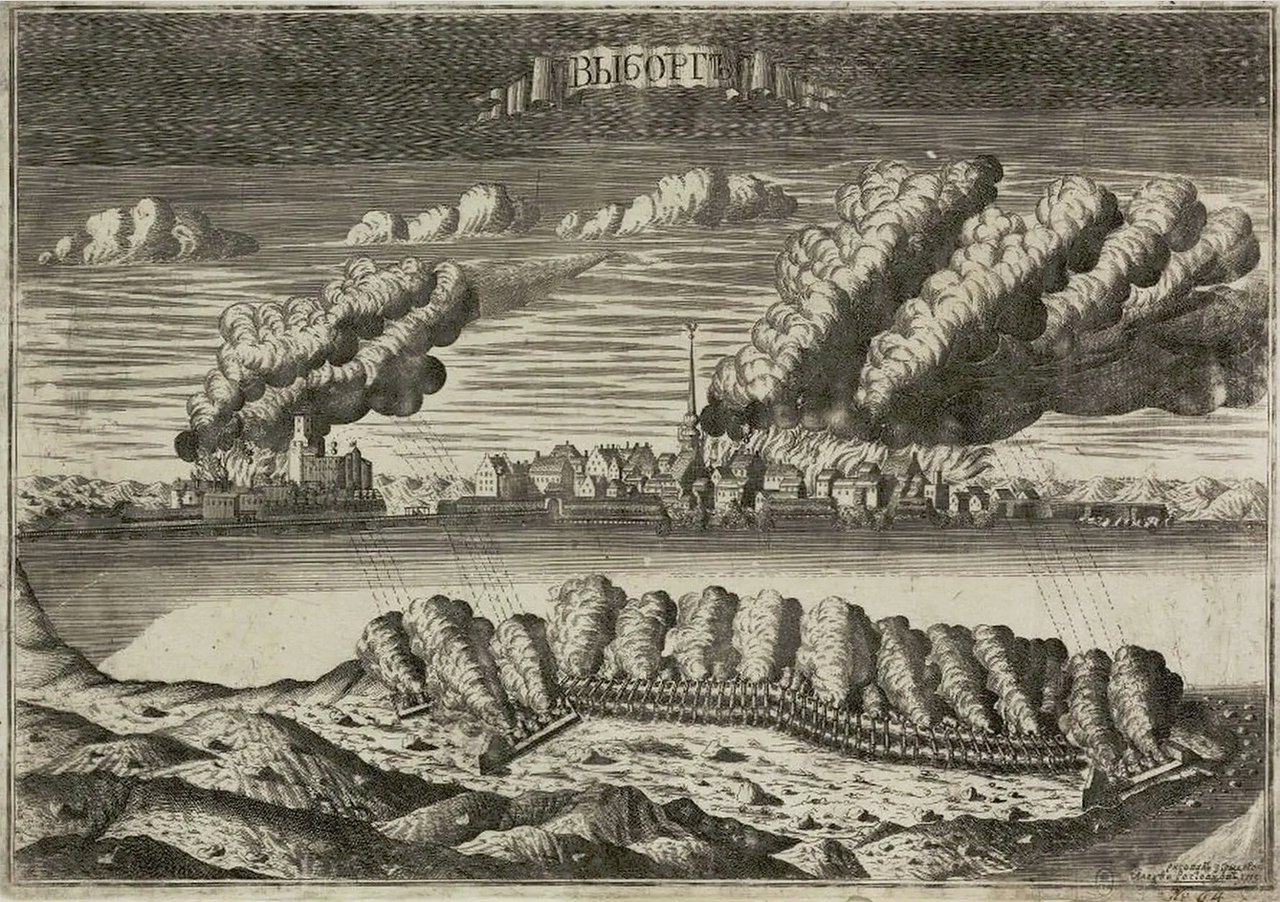
The Treaty of Nystad ensured the transfer of territory in the eastern part of the Gulf of Finland from Sweden to Russia, including areas such as Vyborg and the Åland Islands. This shift in borders had long-lasting implications for the Finnish population living in these regions.
The conclusion of the Great Northern War brought a sense of relief to the war-weary populations of the affected territories. It also marked the ascendance of Russia as a dominant power in the Baltic region, while Sweden experienced a decline in its influence.
Overall, the end of the Great Northern War reshaped the political and territorial dynamics of Northern Europe and had a lasting impact on the Finnish people. It marked a turning point in the history of the region and set the stage for future developments in the area.
#GreatNorthernWar #TreatyofNystad #Geopolitics #Finland #Russia #Sweden #BalticHistory
Primary Reference
Great Northern War - Wikipedia
Explore the Life Moments of
 AI Twin