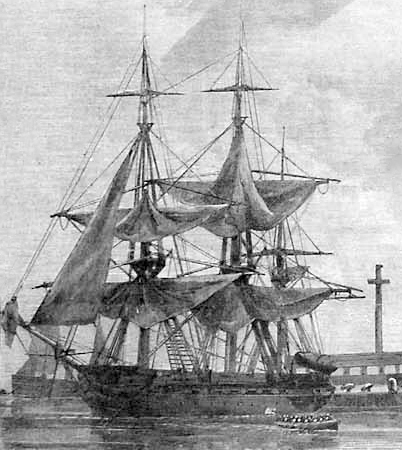
USS Vandalia's Arrival in Fiji: Geopolitical Strategies and Native Resistance
Fiji
Political
4 min read
Updated By: History Editorial Network (HEN)
Published:
Updated:
The USS Vandalia arrived at Levuka during a period of significant political change in Fiji. Commanded by Commodore Charles Wilkes, the ship's presence marked an increased interest of foreign powers in the region. Upon its arrival, William Pritchard, who held the position of British Consul, initiated efforts to annex the Fijian islands to Britain. These actions stemmed from European concerns over native conflicts, increasing missionary activities, and the strategic importance of the islands.
Pritchard's initiatives aimed to stabilize the region and secure it as a British protectorate. His efforts included diplomatic negotiations with local Fijian chiefs, many of whom were divided on the issue of ceding sovereignty. The population of the Fijian archipelago at this time was facing internal disputes and pressures from outside influences, with Pritchard addressing these divisions in his communications with the British government.
This period saw increasing European and American interest in the Pacific due to economic and strategic motivations. The presence of the USS Vandalia represented the United States' interests, contrasting with Pritchard’s aim of securing British dominance in the region. Efforts to annex Fiji were part of broader colonial objectives, reflecting the geopolitical strategies of maritime powers during the age of exploration and colonial expansion.
Annexation efforts progressed amidst a backdrop of competing European interests and Native Fijian resistance or acquiescence. This episode contributed to the subsequent developments in Fiji's colonial history and its integration into the international sphere.
#FijiHistory #ColonialStrategies #PacificColonialism #CommodoreWilkes #BritishConsul #NavalHistory #DiplomaticManeuvers #MoofLife
Primary Reference
History of Fiji - Wikipedia

Explore the Life Moments of
 AI Twin