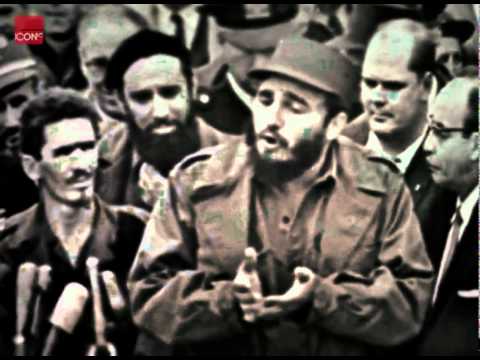
Fidel Castro embarked on a high-profile visit to the United States.
3 min read
Updated By: History Editorial Network (HEN)
Published:
In 1959, shortly after the success of the Cuban Revolution, Fidel Castro embarked on a high-profile visit to the United States. This trip was intended as a charm offensive, designed to present him as a relatable, democratic leader to the American public and political establishment. Castro made appearances at iconic landmarks, met with journalists, and engaged in casual, media-friendly moments like visiting the Bronx Zoo and chatting with schoolchildren. Despite the warm reception from the public and press, his visit was clouded by diplomatic coldness from the U.S. government.
President Dwight D. Eisenhower notably refused to meet with Castro during the trip, instead delegating the task to Vice President Richard Nixon. This diplomatic snub reflected Washington's growing unease with Castro’s political intentions and revolutionary rhetoric. Nixon’s meeting with Castro was tense and left U.S. officials skeptical about the Cuban leader’s true motives. While Castro aimed to assure the U.S. of his commitment to democratic principles, the visit ultimately did little to prevent the deterioration of U.S.–Cuban relations, which would soon spiral into Cold War hostility.
#MomentsOfLife #MoofLife_Moment #MoofLife #FidelCastro #CubanRevolution #USCubaRelations #ColdWarHistory #PoliticalCharm offensive
Primary Reference
Fidel Castro

Explore the Life Moments of
 AI Twin