Cuban Missile Crisis ends with Soviet withdrawal of missiles.
4 min read
Updated By: History Editorial Network (HEN)
Published:
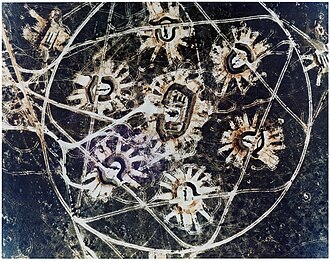
The Cuban Missile Crisis, one of the most dangerous confrontations of the Cold War, reached its climax in October 1962 and concluded with the Soviet Union agreeing to withdraw its nuclear missiles from Cuba. The crisis began when U.S. reconnaissance flights revealed Soviet missile installations under construction on the island, just 90 miles from American shores. In response, President John F. Kennedy imposed a naval blockade and demanded immediate removal of the missiles. For thirteen tense days, the world stood on the brink of nuclear war as diplomatic negotiations unfolded between Washington and Moscow.
Fidel Castro, although not directly involved in the final negotiations, played a pivotal role by allowing the placement of Soviet missiles in Cuba—a move he saw as a necessary deterrent against further U.S. aggression following the Bay of Pigs invasion and the ongoing economic embargo. Ultimately, Soviet Premier Nikita Khrushchev agreed to dismantle the missile sites in exchange for a U.S. public pledge not to invade Cuba and a secret agreement to remove American missiles from Turkey. The crisis ended peacefully, but it left lasting geopolitical scars. For Castro, the resolution was bittersweet; while Cuba remained secure from invasion, he felt sidelined by the superpowers' deal, reinforcing his commitment to maintaining Cuban sovereignty at all costs.
\#CubanMissileCrisis #FidelCastro #ColdWar #KennedyKhrushchev #SovietUnion #NuclearStandoff #MomentsOfLife #MoofLife\_Moment #MoofLife

Explore the Life Moments of
 AI Twin