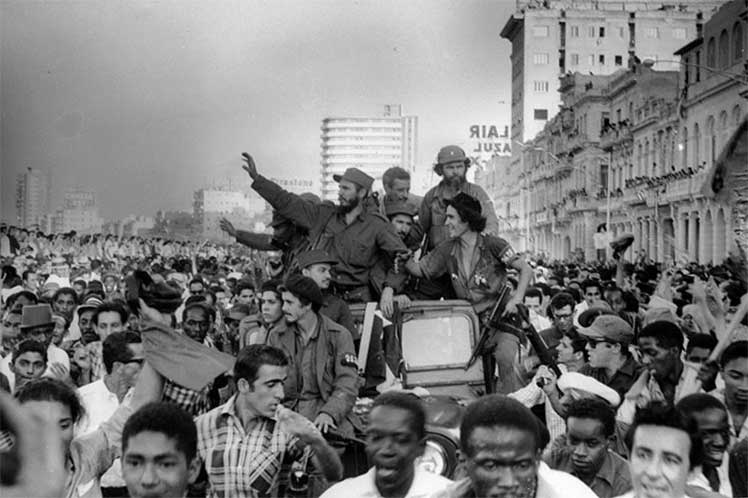
Castro enters Havana, begins transformation of Cuba with reforms and nationalizations
3 min read
Updated By: History Editorial Network (HEN)
Published:
On January 8, 1959, just a week after the fall of Fulgencio Batista, Fidel Castro triumphantly entered Havana to a hero’s welcome. Crowds lined the streets to greet the bearded revolutionary who had become a symbol of hope and change. Castro’s arrival marked the formal beginning of a new era in Cuban history. With his entry into the capital, the revolution transitioned from a military victory to a political and social movement aimed at completely transforming Cuban society. This day cemented Fidel’s position not only as the leader of the revolution but as the face of a new Cuba.
In the months and years that followed, Castro implemented sweeping reforms designed to dismantle the old order. His government nationalized key industries, redistributed land to peasants, and invested heavily in education and healthcare. These changes aimed to eliminate class disparities and reduce foreign—particularly American—influence on the island. While praised by many for uplifting the poor and marginalized, these reforms also sparked tensions with the United States, eventually leading to a prolonged Cold War standoff. Nonetheless, January 8 remains a defining date in Cuba’s revolutionary timeline, representing both the promise and complexity of change under Fidel Castro’s leadership.
\#FidelCastro #CubanRevolution #Havana1959 #CubanReforms #Nationalization #MomentsOfLife #MoofLife\_Moment #MoofLife
Primary Reference
Triumph of the Revolution

Explore the Life Moments of
 AI Twin