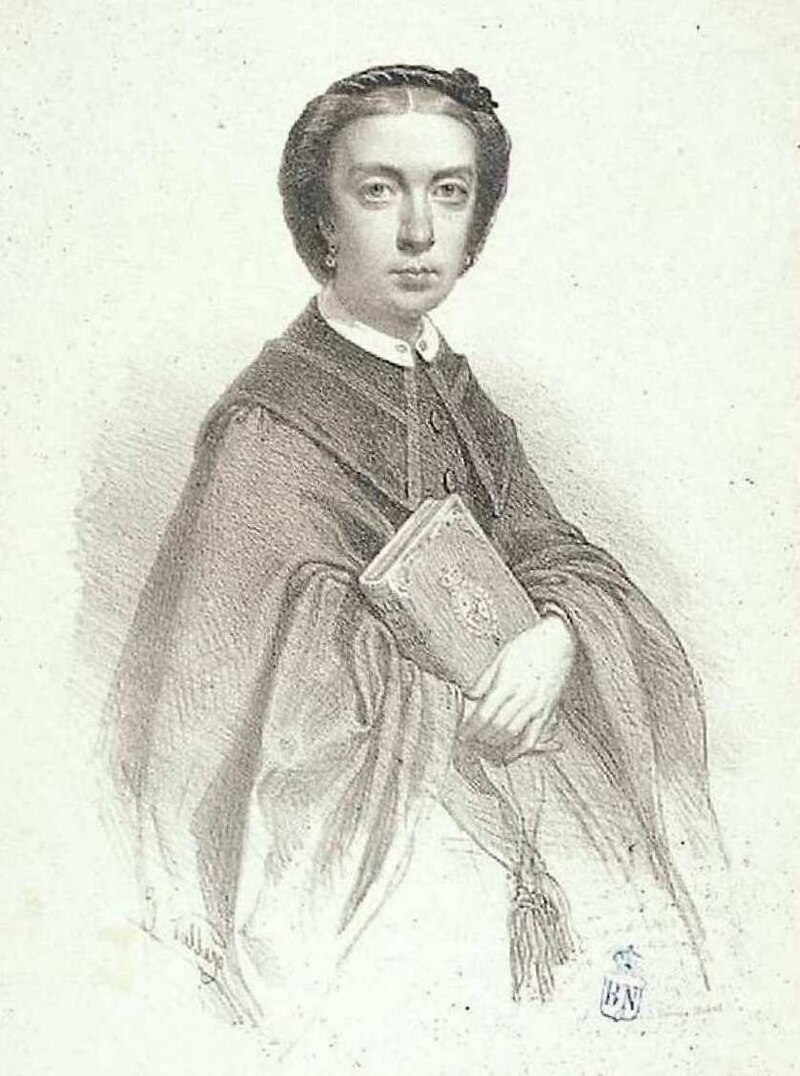
Publication of El ángel del hogar
Literature
Gender Studies
Victorian Era
4 min read
Updated By: History Editorial Network (HEN)
Published:
Updated:
El ángel del hogar, authored by María del Pilar Sinués de Marco, emerged as a pivotal publication in the context of Victorian society. The book gained popularity as it resonated with the prevailing ideals of femininity during that era. It mirrored the themes found in Coventry Patmore's earlier work, The Angel in the House, which emphasized the notion of women as guardians of the home and moral compasses of society. This narrative reinforced the concept of separate spheres, delineating distinct roles for men and women, where men were seen as providers and women as caretakers. The book's widespread acceptance contributed to the entrenchment of these gender roles, which were prevalent in many households across the Victorian landscape. The impact of El ángel del hogar extended beyond literature; it played a role in shaping societal expectations and norms regarding women's responsibilities and capabilities, often opposing movements advocating for women's suffrage and broader rights.
The publication of El ángel del hogar also coincided with a period of significant social change, where discussions around women's rights were beginning to surface. However, the book's popularity served to counteract these emerging ideas by promoting a vision of womanhood that was largely confined to domesticity. Statistics indicate that the book became a bestseller, reflecting its alignment with the desires and beliefs of many readers at the time. This phenomenon illustrates how literature can influence and reinforce societal structures, particularly in relation to gender. The legacy of El ángel del hogar continues to be examined in contemporary discussions about gender roles and the historical context of women's rights, highlighting the ongoing relevance of its themes in understanding the evolution of women's societal positions.
#mooflife
#MomentOfLife
#VictorianLiterature
#GenderRoles
#Women'sRights
#MaríaDelPilarSinuésDeMarco
#ElÁngelDelHogar

Explore the Life Moments of
 AI Twin