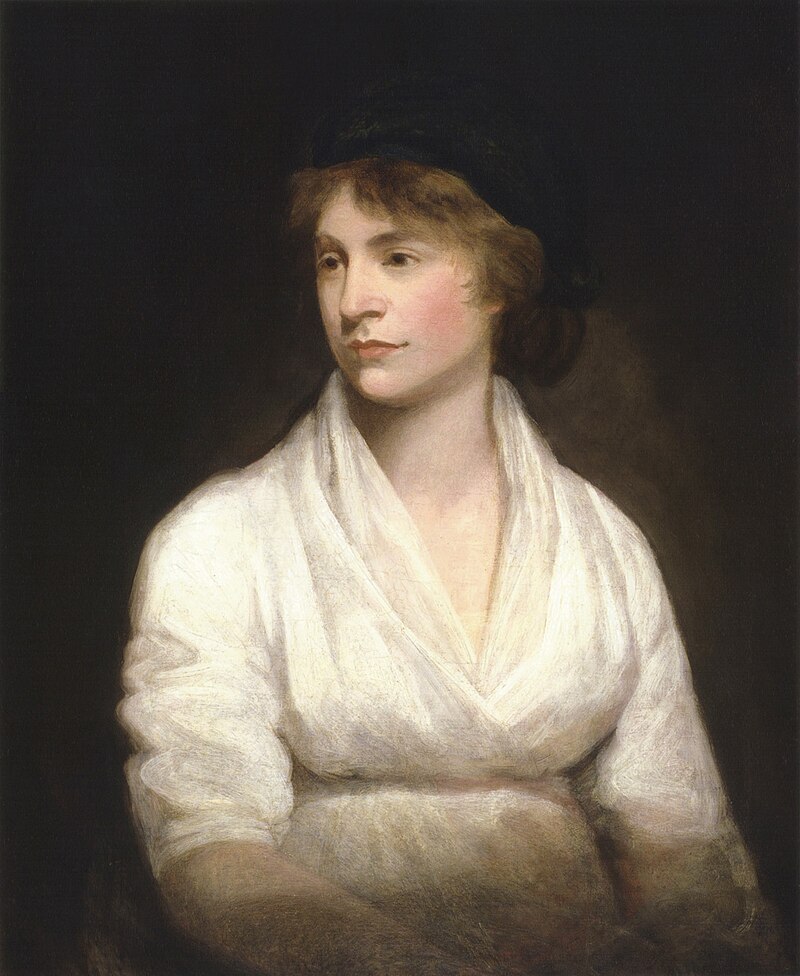
Publication of A Vindication of the Rights of Woman
Feminism
Gender Studies
Literature
4 min read
Updated By: History Editorial Network (HEN)
Published:
Updated:
Mary Wollstonecraft's publication of 'A Vindication of the Rights of Woman' marked a pivotal moment in the discourse surrounding gender equality. In this foundational text, Wollstonecraft argued that the education and upbringing of women were critical factors in perpetuating their limited roles in society. She contended that societal expectations were largely shaped by a male perspective, which constrained women's self-image and potential. Wollstonecraft's analysis extended beyond women, as she recognized that both genders contributed to the systemic inequality present in society. Her call for education was not merely for women but for men as well, emphasizing that a comprehensive approach to education was essential for fostering equality and changing social attitudes. This perspective laid the groundwork for future feminist thought, challenging the traditional roles assigned to women and advocating for their rights to education and self-determination.
The impact of 'A Vindication of the Rights of Woman' has been profound and enduring. It is often regarded as the first codification of equality feminism, marking a refusal of the conventional feminine role in society. Despite some criticisms regarding inconsistencies in her arguments, the text has remained a cornerstone of feminist literature. It has inspired generations of activists and thinkers who continue to advocate for women's rights and gender equality. The book's emphasis on education as a means to empower women has resonated through various movements, highlighting the importance of access to knowledge and opportunities for all genders. Wollstonecraft's work not only challenged the status quo of her time but also set the stage for ongoing discussions about gender roles, rights, and the necessity of education in achieving true equality.
#mooflife
#MomentOfLife
#Feminism
#MaryWollstonecraft
#GenderEquality
#Women'sRights
#Education

Explore the Life Moments of
 AI Twin