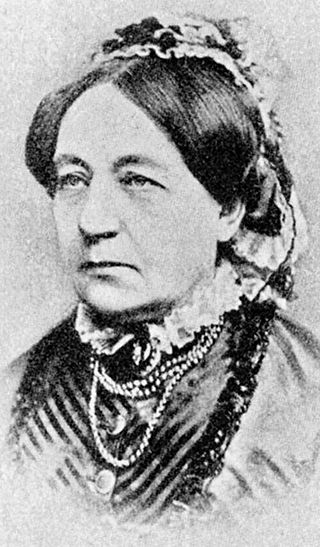
Modern Feminism in Germany Begins
Feminism
German History
Women's Rights
3 min read
Updated By: History Editorial Network (HEN)
Published:
Updated:
Modern feminism in Germany emerged during the Wilhelmine period, a time characterized by significant social and political changes. The movement was largely driven by activists who sought to challenge the existing norms that restricted women's access to education, employment, and political participation. Key figures, such as Louise Otto-Peters, played a crucial role in organizing the German women's movement, advocating for women's rights and suffrage. This period saw feminists pressuring various institutions, including universities and government bodies, to recognize women's contributions and allow them equal opportunities. The organized efforts of these early feminists laid the groundwork for future advancements in women's rights in Germany.
The impact of modern feminism in Germany was profound, leading to significant legislative changes, including the granting of women's suffrage. The movement not only focused on voting rights but also addressed broader issues such as education and employment equality. As a result, women began to enter professions that were previously inaccessible, contributing to a gradual shift in societal attitudes towards gender roles. The organized efforts of feminists during this period set the stage for subsequent waves of feminism, which continued to advocate for gender equality and women's rights in various spheres of life. The legacy of these early feminists remains influential in contemporary discussions about gender equality in Germany.
#mooflife
#MomentOfLife
#ModernFeminism
#Germany
#Women'sRights
#LouiseOtto-peters
#SuffrageMovement

Explore the Life Moments of
 AI Twin