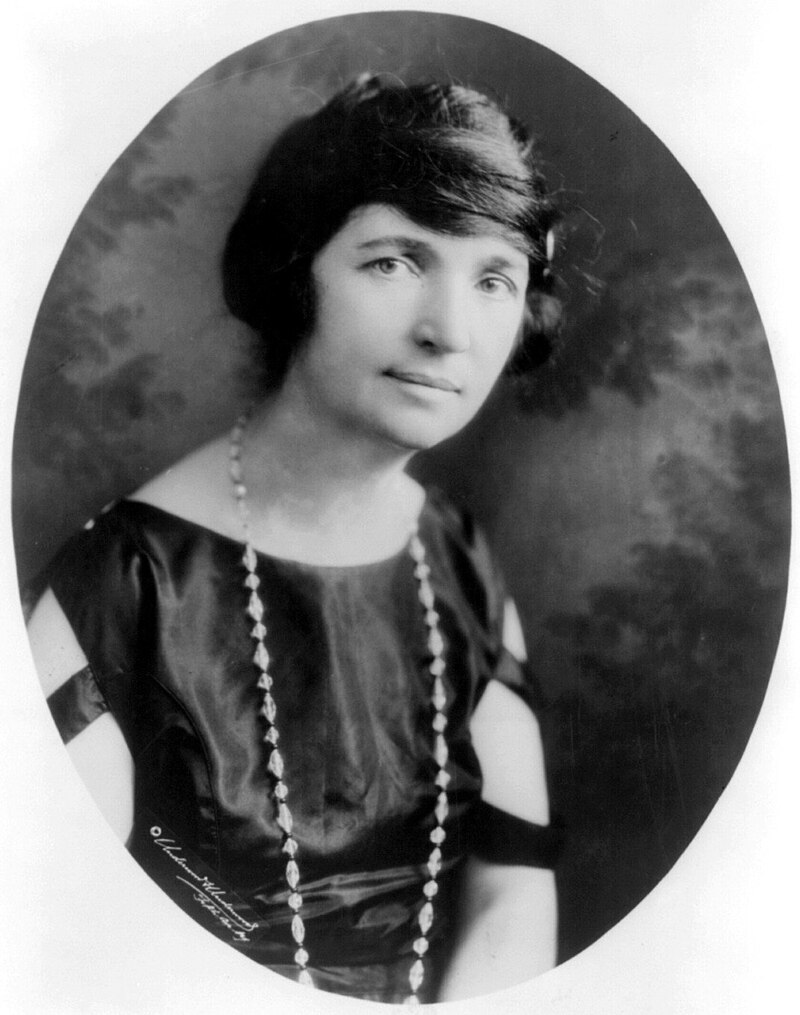
Margaret Sanger Lectures the KKK on Birth Control
Health
Women's Rights
4 min read
Updated By: History Editorial Network (HEN)
Published:
Updated:
Margaret Sanger was a prominent advocate for birth control and women's reproductive rights. She faced significant opposition and was often denounced for her views, yet she remained a key figure in the movement for reproductive health. In her efforts to promote birth control, Sanger founded the Birth Control Review, a publication aimed at disseminating information about contraception and advocating for women's rights to make choices about their own bodies. Her lectures and writings played a crucial role in raising awareness about the importance of birth control, which was a contentious issue at the time. Sanger's work contributed to the gradual shift in public perception regarding reproductive health and women's autonomy, laying the groundwork for future advancements in family planning and reproductive rights.
In 1926, Sanger gave a lecture on birth control to the women's auxiliary of the Ku Klux Klan in Silver Lake, New Jersey, which she referred to as a "weird experience". At that time, the topic was often met with resistance, and public discourse was limited by prevailing moral and legal constraints. Sanger's boldness in addressing such a controversial subject helped to challenge these norms and sparked conversations that would eventually lead to significant changes in legislation and public policy regarding reproductive health. Her advocacy efforts not only educated the public but also inspired future generations of activists to continue the fight for reproductive rights, ultimately contributing to the establishment of organizations dedicated to family planning and women's health.
#mooflife
#MomentOfLife
#MargaretSanger
#BirthControl
#ReproductiveRights
#Women'sHealth
#FamilyPlanning

Explore the Life Moments of
 AI Twin