Finland Grants Women the Vote
Women's Rights
Political Milestones
4 min read
Updated By: History Editorial Network (HEN)
Published:
Updated:
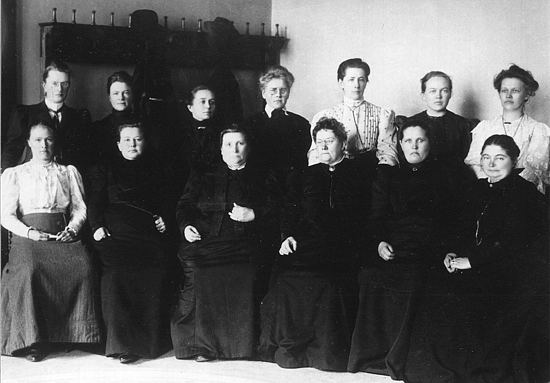
Finland's decision to grant women the right to vote marked a pivotal moment in the global movement for women's suffrage. This reform was part of a broader trend in the early 20th century, where several countries began to recognize women's rights in the political sphere. Prior to Finland, countries like New Zealand and Australia had already taken steps towards women's suffrage, with New Zealand being the first to grant women the right to vote in 1893. Finland's legislation allowed women not only to vote but also to stand for election, making it one of the first countries in Europe to do so. This was a significant advancement in gender equality, as it provided women with a platform to influence political decisions and participate actively in governance. The move was influenced by various social movements advocating for women's rights, which gained momentum during this period.
The impact of granting women the vote in Finland extended beyond its borders, inspiring other nations to consider similar reforms. The decision was a reflection of changing attitudes towards gender roles and the recognition of women's contributions to society. Statistics indicate that women's participation in politics increased significantly following the reform, with many women taking on roles in local and national government. This shift not only empowered women but also contributed to the development of more inclusive political systems. Finland's early adoption of women's suffrage set a precedent that would influence suffrage movements in other countries, highlighting the importance of women's voices in shaping democratic processes.
#mooflife
#MomentOfLife
#Finland
#Women'sSuffrage
#VotingRights
#GenderEquality
#PoliticalParticipation
Primary Reference
The Oxford encyclopedia of women in world history

Explore the Life Moments of
 AI Twin