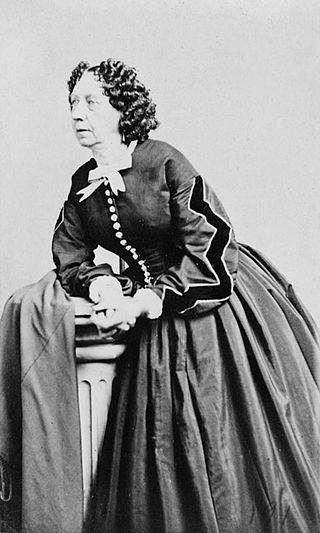
Fanny Fern's Autobiographical Novel Ruth Hall
Autobiography
Literature
Women's Studies
4 min read
Updated By: History Editorial Network (HEN)
Published:
Updated:
Fanny Fern's autobiographical novel, Ruth Hall, provides a candid portrayal of the challenges faced by women in the 19th century, particularly in the context of widowhood and financial independence. The narrative centers on Ruth Hall, a character who mirrors Fern's own life experiences as she navigates the difficulties of supporting her children after the death of her husband. The novel highlights the societal expectations placed on women, emphasizing their limited opportunities for employment and the stigma associated with being a single mother. Fern's work is significant as it sheds light on the struggles of women who sought to assert their independence in a male-dominated society, using her platform as a newspaper columnist to advocate for women's rights and economic self-sufficiency.
The impact of Ruth Hall extends beyond its autobiographical elements; it serves as a critique of the social norms that constrained women's roles. Fern's writing resonates with the broader literary movement of the time, which included authors like Jane Austen and the Brontë sisters, who also explored themes of women's struggles. The novel not only reflects Fern's personal journey but also resonates with the experiences of many women who faced similar hardships. By sharing her story, Fern contributed to the growing discourse on women's rights and the importance of financial independence, making Ruth Hall a pivotal work in American literature that continues to inspire discussions about gender equality and women's empowerment.
#mooflife
#MomentOfLife
#FannyFern
#RuthHall
#Women'sRights
#19thCenturyLiterature
#AutobiographicalNovel

Explore the Life Moments of
 AI Twin