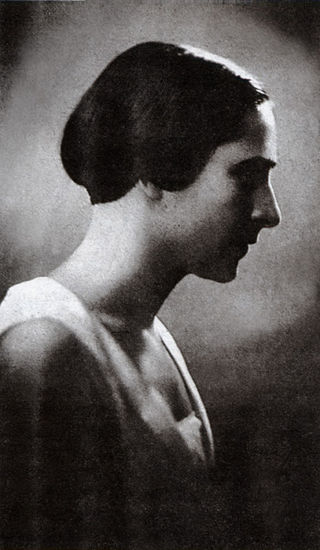
Emergence of Radical Feminism in Poland
Feminism
Women's Rights
Polish History
4 min read
Updated By: History Editorial Network (HEN)
Published:
Updated:
Radical feminism emerged in Poland during the 1920s, marking a pivotal shift in the country's feminist movement. This period saw the rise of influential figures such as Irena Krzywicka and Maria Morozowicz-Szczepkowska, who played crucial roles in advocating for women's rights. Their efforts focused on promoting personal, social, and legal independence for women, challenging the traditional roles imposed by society. Krzywicka, in particular, was vocal about issues such as planned parenthood, sexual education, and the rights to divorce and abortion. She utilized her platform in the publication Wiadomości Literackie to address the interference of the Roman Catholic Church in the private lives of individuals, arguing for a separation between personal choices and religious authority. This advocacy was significant in raising awareness about women's autonomy and the need for legal reforms that would support gender equality.
The impact of radical feminism in Poland during this time was profound, as it laid the groundwork for future feminist movements. The ideas promoted by Krzywicka and Morozowicz-Szczepkowska resonated with many women who sought greater control over their lives and bodies. Their push for sexual education and reproductive rights was particularly important in a society where such topics were often taboo. The movement also contributed to a broader discourse on gender equality, challenging societal norms and encouraging women to assert their rights. As a result, radical feminism not only influenced the feminist landscape in Poland but also inspired subsequent generations to continue the fight for women's rights and equality in various spheres of life.
#mooflife
#MomentOfLife
#RadicalFeminism
#Poland
#Women'sRights
#IrenaKrzywicka
#GenderEquality

Explore the Life Moments of
 AI Twin