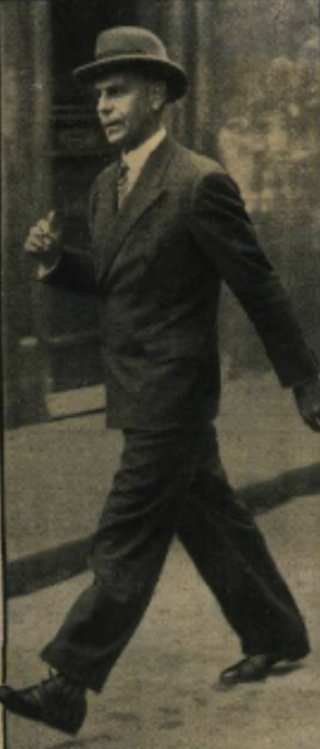
Aleck Bourne's Prosecution and Its Impact
Legal History
Notable Cases
4 min read
Updated By: History Editorial Network (HEN)
Published:
Updated:
Aleck Bourne, a British gynecologist, faced prosecution for performing an abortion, which highlighted the pressing need for reform in abortion laws in the UK. His case emerged against the backdrop of the Infant Life (Preservation) Act, which was enacted to protect the lives of unborn children but lacked provisions for the circumstances under which abortions could be legally performed. Bourne's actions were motivated by the medical necessity to terminate a pregnancy that posed a risk to the health of the mother. The prosecution drew public attention to the restrictive nature of existing laws and the consequences they had on women's health and rights. The case became a focal point for discussions on the legal and ethical implications of abortion, as well as the broader societal attitudes towards women's reproductive health.
The impact of Bourne's prosecution extended beyond the courtroom, influencing public opinion and prompting calls for legislative reform. Following the case, the Birkett Committee was established to review abortion laws and make recommendations for change. Although the committee's suggestions were set aside due to the outbreak of the Second World War, the discussions initiated by Bourne's prosecution laid the groundwork for future debates on abortion rights in the UK. The case underscored the need for a legal framework that considered women's health and autonomy, ultimately contributing to the ongoing discourse surrounding reproductive rights and the necessity for comprehensive legal reform in the area of abortion.
#mooflife
#MomentOfLife
#AleckBourne
#AbortionLawReform
#UkReproductiveRights
#BirkettCommittee
#InfantLifePreservationAct

Explore the Life Moments of
 AI Twin