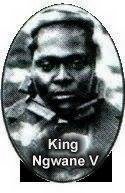
Death of King Ngwane V
Eswatini
Cultural Heritage
Tradition
4 min read
Updated By: History Editorial Network (HEN)
Published:
Updated:
Ngwane V, the king of Eswatini, passed away while performing the incwala dance. This traditional ceremony, held annually, is central to Swazi culture, symbolizing the renewal of the nation and the king's spiritual power. The ritual performance typically involves dancing and the participation of various societal groups, reflecting the cohesion and unity of the Swazi people.
King Ngwane V's death during the incwala dance had a profound impact on the nation. The unexpected passing of a monarch in the midst of such a significant cultural event underscored the vulnerability and human aspects of leadership, even within the context of deeply entrenched traditions. This incident necessitated the swift transition of power to ensure the stability of the kingdom.
The king was succeeded by his son, Sobhuza II, who went on to have the longest documented rule in modern African history. The transition was managed according to traditional customs and laws, highlighting the resilience of Eswatini's cultural and political systems. King Sobhuza II's reign included significant developments, such as Eswatini achieving independence from British colonial rule.
Statistics around the incwala ceremony show consistent participation rates, with community involvement from across the country, underscoring its importance as a cornerstone of Swazi cultural life. The event continues to be observed, reflecting its ongoing relevance and the enduring legacy of the kingship.
#NgwaneVDance #EswatiniHistory #CulturalLegacy #MoofLife
Primary Reference
Who we are

Explore the Life Moments of
 AI Twin