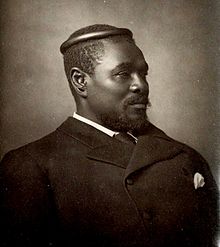
Cetshwayo's Crowning as the Zulu King
Eswatini
Political
Colonialism
4 min read
Updated By: History Editorial Network (HEN)
Published:
Updated:
Cetshwayo kaMpande, a prominent Zulu leader, ascended as the Zulu king under the direct supervision of Sir Theophilus Shepstone, a British colonial administrator. This event took place during the era of increasing European colonial interests in Southern Africa. Shepstone, known for his role in expanding British influence, played a pivotal role in Cetshwayo's crowning, aiming to establish stronger diplomatic ties and exert control over Zulu governance.
The strategic crowning ceremony was intended to stabilize the region and prevent conflicts between Zulu and neighboring territories, particularly Swaziland, now known as Eswatini. With tensions rising and the threat of military engagement looming, Shepstone's intervention sought to foster a more cooperative environment, thus averting potential attacks on Swaziland.
Cetshwayo's rise to power marked a crucial period in the history of the Zulu nation. By formalizing his leadership, it helped ensure a temporary peace and promoted British interests in maintaining regional stability. This alliance was significant because it demonstrated the complexities of colonial diplomacy and the lengths to which British authorities would go to secure their strategic objectives.
The crowning also had notable implications for Eswatini. It helped protect the Swazi from potential invasions and allowed them to navigate their interactions with more powerful neighbors with a degree of protection afforded by British oversight. This moment underscored the delicate balance of power and the intricate web of alliances that characterized the colonial landscape of Southern Africa during this period.
#MoofLife #ZuluHistory #Eswatini #ColonialDiplomacy #BritishEmpire #CetshwayoCrowning
Primary Reference
THE RISE, CONSOLIDATION AND DISINTEGRATION OF DLAMINI ...

Explore the Life Moments of
 AI Twin