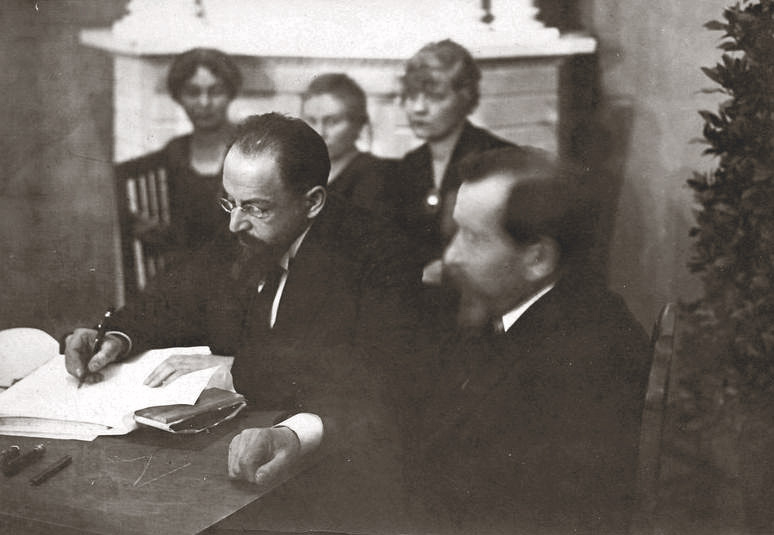
Tartu Peace Treaty Signed After Failed Breakthrough
Estonia

Treaties
4 min read
Updated By: History Editorial Network (HEN)
Published:
Updated:
The Tartu Peace Treaty marked a pivotal moment in the establishment of Estonia's sovereignty following a tumultuous period of conflict and political upheaval. The treaty was signed between Estonia and Soviet Russia, formalizing the end of hostilities that had erupted during the Estonian War of Independence. This conflict was part of a broader struggle for national self-determination in the aftermath of World War I, where various nations sought to assert their independence from larger empires. The treaty stipulated that Soviet Russia would renounce all claims to Estonian territory, thereby recognizing Estonia as an independent state. This recognition was crucial for Estonia, as it solidified its status on the international stage and laid the groundwork for future diplomatic relations.
The impact of the Tartu Peace Treaty extended beyond mere recognition of sovereignty. It provided a legal framework for Estonia's governance and territorial integrity, which was essential for the newly formed Estonian state. The treaty also facilitated the establishment of the Estonian Constituent Assembly, which was elected shortly before the treaty was signed. This assembly played a vital role in drafting the Estonian Constitution and shaping the country's political landscape. The Tartu Peace Treaty is often viewed as a cornerstone of Estonian statehood, as it not only ended military conflict but also affirmed the principles of self-determination and national sovereignty that were gaining prominence in Europe during this period.
#mooflife
#MomentOfLife
#TartuPeaceTreaty
#Estonia
#SovietRussia
#Independence
#NationalSovereignty

Explore the Life Moments of
 AI Twin