Operation Barbarossa and the Summer War
Estonia

World War II
Military History
Soviet-German Relations
3 min read
Updated By: History Editorial Network (HEN)
Published:
Updated:
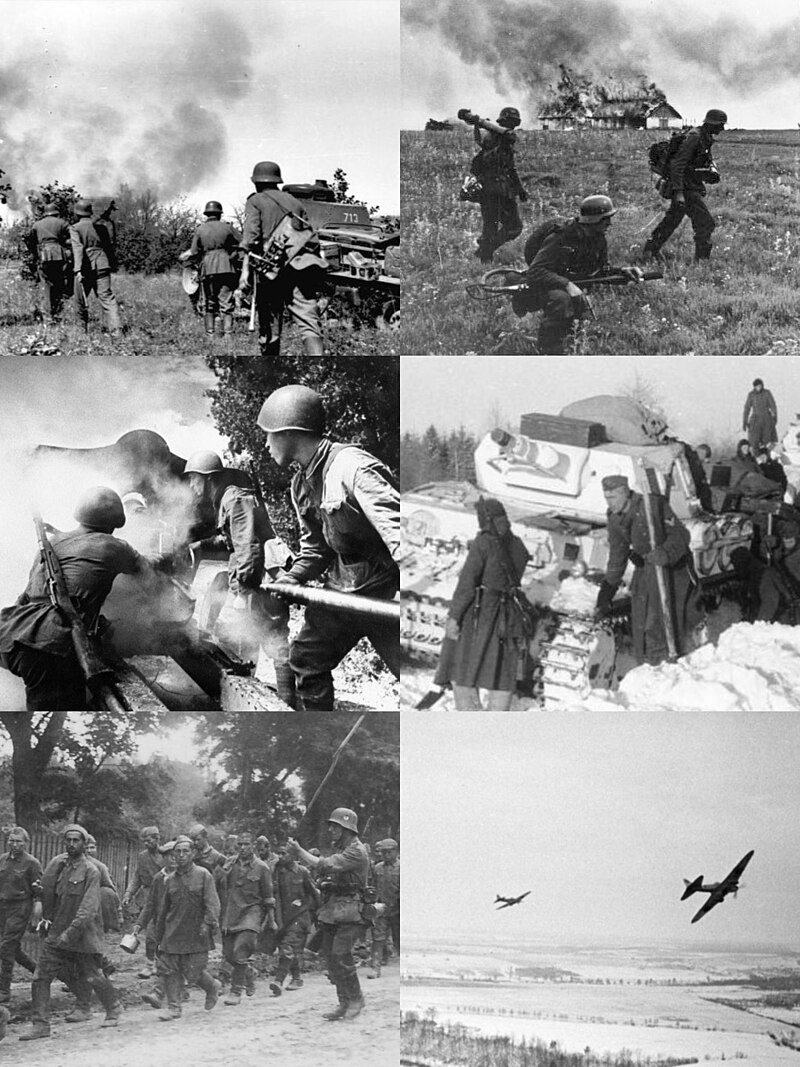
The escalation of conflict in Estonia began with the deportation of approximately 11,000 Estonians to Russia, which set a grim tone for the events that followed. As Germany initiated Operation Barbarossa against the Soviet Union, the Summer War unfolded in Estonia, marking a period of intense military and social upheaval. In response to the German invasion, Soviet authorities implemented a policy of forced conscription, targeting around 34,000 young Estonian men. This conscription was part of a broader strategy to bolster Soviet military ranks in the face of the advancing German forces. Tragically, the consequences of this conscription were dire, with fewer than 30% of those conscripted surviving the war. The impact of these events not only decimated a generation of Estonian men but also left lasting scars on the national psyche, as families were torn apart and communities disrupted by the violence and chaos of war. The Summer War in Estonia serves as a stark reminder of the human cost of conflict and the profound effects of geopolitical struggles on local populations.
#mooflife
#MomentOfLife
#OperationBarbarossa
#SummerWar
#Estonia
#SovietUnion
#WorldWarIi

Explore the Life Moments of
 AI Twin