Hirvepark Meeting in Tallinn Calls for Public Engagement
Estonia

Meeting
Public Engagement
Tallinn
4 min read
Updated By: History Editorial Network (HEN)
Published:
Updated:
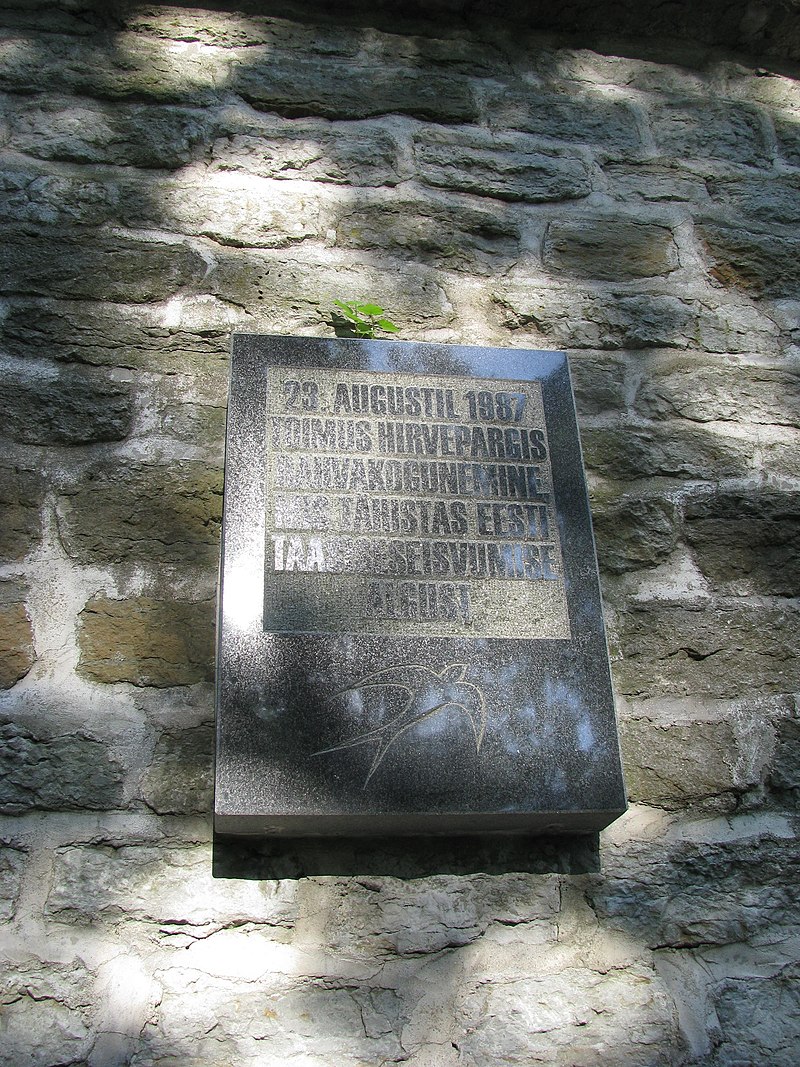
The Hirvepark meeting in Tallinn was a pivotal event in the movement for Estonian independence, focusing on the public disclosure of the Molotov–Ribbentrop Pact and its secret protocols. This agreement, signed between Nazi Germany and the Soviet Union, included provisions that divided Eastern Europe into spheres of influence, directly impacting Estonia's sovereignty. The secret protocols of this pact facilitated the Soviet occupation of Estonia, which began in 1940, leading to decades of repression and loss of national identity. The call for transparency regarding this historical agreement was a crucial step in acknowledging the injustices faced by the Estonian people and served as a rallying point for those advocating for independence from Soviet rule.
The impact of the Hirvepark meeting extended beyond mere acknowledgment of past grievances; it galvanized public sentiment and mobilized citizens towards a collective goal of restoring Estonia's independence. This event was part of a broader wave of nationalist movements across the Baltic states, culminating in significant demonstrations such as the Baltic Way, where two million people formed a human chain across Estonia, Latvia, and Lithuania. The demand for the disclosure of the Molotov–Ribbentrop Pact not only highlighted the historical injustices but also fostered a sense of unity among the Baltic nations, ultimately contributing to the dissolution of Soviet control and the re-establishment of independence for Estonia and its neighbors.
#mooflife
#MomentOfLife
#HirveparkMeeting
#Molotov-ribbentropPact
#EstonianIndependence
#SovietOccupation
#BalticWay

Explore the Life Moments of
 AI Twin