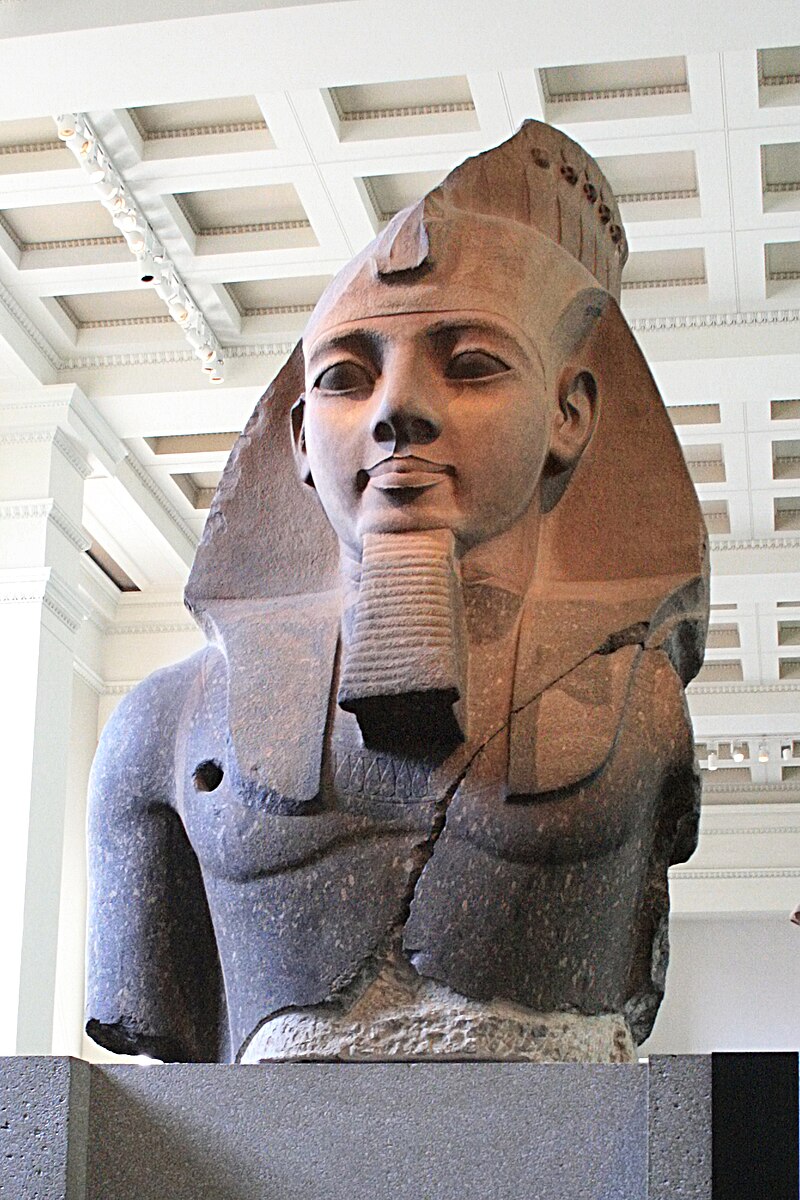
Ancient pharaoh's mummy found in Luxor Valley.
Egypt

Archaeology
3 min read
Updated By: History Editorial Network (HEN)
Published:
In 1881, the discovery of the mummy of Ramesses II, one of Egypt's most renowned pharaohs, captivated the world. Ramesses II, also known as Ramesses the Great, reigned for over six decades during the New Kingdom period.
The remarkable find took place in the Deir el-Bahari mortuary temple in Luxor, Egypt. The mummy was found in a secret royal cache where priests had hidden it to protect it from grave robbers.
The discovery shed light on the life and death rituals of ancient Egyptians, providing valuable insights into their beliefs and customs. It also allowed researchers to study Ramesses II's physical remains, offering clues about his health, diet, and even possible causes of death.
The mummy's identification was confirmed by hieroglyphic inscriptions and historical records, making it a momentous archaeological breakthrough. Ramesses II's mummy is now housed in the Cairo Museum, where it continues to fascinate visitors from around the globe.
This discovery continues to fuel fascination with ancient Egyptian history, highlighting the enduring legacy of one of the most powerful pharaohs of its civilization.
#RamessesII #EgyptianHistory #ArchaeologicalDiscovery

Explore the Life Moments of
 AI Twin