Military Junta Overthrows Velasco Ibarra
Ecuador
Historical Events
Political History
Military Coups
4 min read
Updated By: History Editorial Network (HEN)
Published:
Updated:
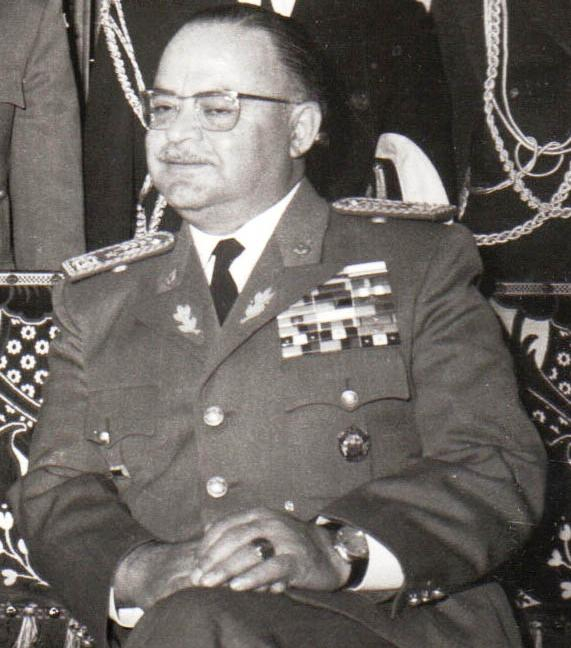
The military junta that overthrew the government of José María Velasco Ibarra marked a pivotal shift in the political landscape of Ecuador. Led by General Guillermo Rodríguez and navy commander Jorge Queirolo G., the coup d'état was characterized by its revolutionary and nationalist rhetoric. The junta's immediate action was to exile Velasco Ibarra to Argentina, effectively ending his presidency and consolidating military power in the country. This transition was part of a broader trend in Latin America during this period, where military regimes often justified their actions as necessary for national stability and development. The junta's rule lasted until 1976, during which time it implemented various policies aimed at economic reform and modernization, although these were often accompanied by repression and human rights violations.
The impact of this military takeover was profound, as it set a precedent for future military interventions in Ecuadorian politics. The junta's governance style and policies influenced subsequent administrations, leading to a cycle of instability and authoritarian rule. The period also saw increased social unrest and opposition movements, as various sectors of society began to challenge the military's authority. The legacy of the junta continues to be felt in Ecuador, as the nation grapples with its past and the implications of military rule on its democratic institutions. Understanding this historical context is crucial for analyzing the ongoing political dynamics in Ecuador today.
#mooflife
#MomentOfLife
#Ecuador
#MilitaryJunta
#VelascoIbarra
#CoupD'état
#PoliticalHistory

Explore the Life Moments of
 AI Twin