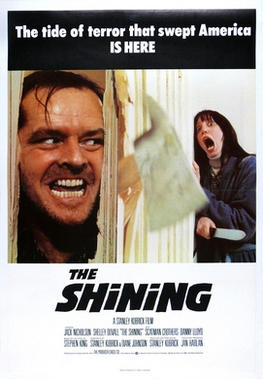
The Shining
Literature
Horror
Analysis
4 min read
Updated By: History Editorial Network (HEN)
Published:
Updated:
The Shining, directed by Stanley Kubrick and based on Stephen King's novel, explores several profound themes that resonate with audiences. One of the central themes is isolation, which is depicted through the Overlook Hotel's remote location and the psychological effects it has on the characters. Jack Torrance, the protagonist, experiences a gradual descent into madness, exacerbated by the hotel's supernatural influences and his own personal demons. The isolation not only affects Jack but also his family, particularly Wendy and Danny, who are trapped in a confined space with a man losing his grip on reality. This theme of isolation serves as a commentary on the human psyche and the fragility of mental health when subjected to extreme circumstances.
Another prominent theme is the cyclical nature of violence and the impact of the past on the present. The Overlook Hotel is steeped in a history of violence, which manifests in the form of ghostly apparitions and haunting memories. Jack's violent tendencies are not only a product of his current situation but also reflect a legacy of aggression that seems to permeate the hotel. The film suggests that the past is inescapable and that individuals are often haunted by their own histories. Additionally, the theme of familial disintegration is evident as Jack's obsession with the hotel leads to a breakdown of his relationship with Wendy and Danny. The Shining ultimately serves as a chilling exploration of how isolation, violence, and the past can intertwine to create a harrowing narrative about the human condition.
#mooflife
#MomentOfLife
#TheShining
#StanleyKubrick
#StephenKing
#FilmAnalysis
#PsychologicalHorror
Primary Reference
The Shining

Explore the Life Moments of
 AI Twin