La Dolce Vita
Film
Cinema
Classic
3 min read
Updated By: History Editorial Network (HEN)
Published:
Updated:
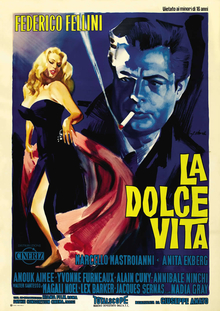
La Dolce Vita, directed by Federico Fellini, is a cinematic masterpiece that captures the glittering yet hollow allure of celebrity culture and existential searching in post-war Rome. Released in 1960, the film follows Marcello Rubini, a journalist who drifts through Rome’s elite social circles, documenting the lives of the rich and famous while grappling with his own disillusionment. Told through a series of loosely connected episodes, La Dolce Vita portrays the highs and lows of the Roman upper class with a dreamlike lens, highlighting Marcello’s inner conflict between shallow indulgence and the longing for genuine connection.
What makes La Dolce Vita iconic is its ability to blend realism with surrealism, using Rome not just as a setting, but as a symbol of both beauty and moral decay. The film’s most famous scene—Anita Ekberg wading through the Trevi Fountain—epitomizes its hypnotic charm and underlying sadness. Through Marcello’s eyes, we see a society chasing pleasure yet starved for meaning. With its stunning black-and-white cinematography, haunting score, and philosophical undertones, La Dolce Vita remains a poignant reflection on the fleeting nature of fame, love, and life's deeper purpose.
#LaDolceVita #FelliniClassic #RomanElegance #SearchingForMeaning #MomentsOfLife #MoofLife_Moment #MoofLife
#mooflife
#MomentOfLife
#ClassicFilms
#FilmHistory
#CinematicEras
#CulturalImpact
#InfluentialMovies
Primary Reference
La Dolce Vita

Explore the Life Moments of
 AI Twin