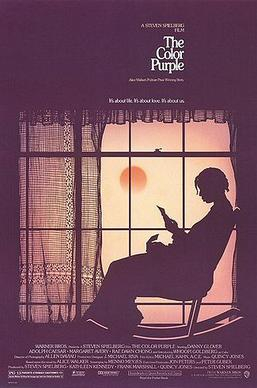
The Color Purple
Film
Literature
Drama
3 min read
Updated By: History Editorial Network (HEN)
Published:
Updated:
The Color Purple is a drama film directed by Steven Spielberg, adapted from Alice Walker's Pulitzer Prize-winning novel. The narrative centers on the life of Celie, an African American woman in the early 20th century American South, who faces severe oppression and abuse. The film explores themes of racism, sexism, and the struggle for self-identity and empowerment. Celie's journey from a life of subjugation to one of independence and self-acceptance is a central focus, highlighting the resilience of women in the face of systemic oppression. The film also delves into the importance of sisterhood and community, as Celie forms deep bonds with other women who support her in her quest for freedom and self-discovery.
The impact of The Color Purple extends beyond its narrative, as it has sparked discussions about race, gender, and the historical context of African American experiences. The film's portrayal of Celie's transformation resonates with audiences, emphasizing the significance of personal agency and the power of love and friendship. The Color Purple has received critical acclaim, including multiple Academy Award nominations, and has been influential in both literature and film, inspiring adaptations in various forms, including stage productions. Its themes remain relevant, as they continue to reflect ongoing societal issues related to race and gender equality, making it a pivotal work in American cultural history.
#mooflife
#MomentOfLife
#TheColorPurple
#AliceWalker
#StevenSpielberg
#FilmAdaptation
#RacismAndSexism
Primary Reference
The Color Purple

Explore the Life Moments of
 AI Twin