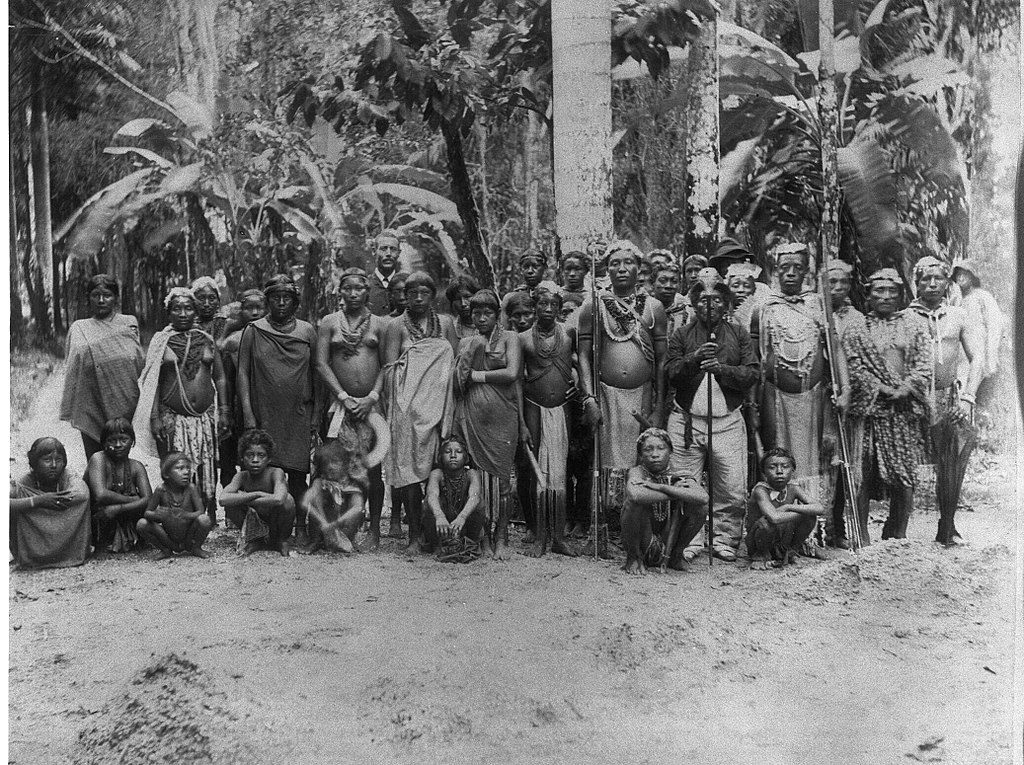
Arawak People on Hispaniola Island
Dominican Republic
Cultural Heritage
4 min read
Updated By: History Editorial Network (HEN)
Published:
In 600, the Arawak people established settlements on the island of Hispaniola, present-day Dominican Republic and Haiti. This marked the beginning of their vibrant culture on the island. The Arawaks were skilled farmers, cultivating crops like cassava, sweet potatoes, and corn. They also engaged in fishing and hunting, which allowed them to sustain their communities.
The Arawak people lived in harmony with nature, respecting the land and resources that sustained them. They constructed villages with thatched-roof houses and developed intricate pottery and crafts. Socially, they had a structured community with leaders and shared responsibilities among members.
The arrival of the Arawak people to Hispaniola had a profound impact on the island's landscape and culture. Their advanced agricultural techniques transformed the land, allowing for the cultivation of various crops. Their peaceful way of life contributed to a sense of unity and cooperation among the communities.
The Arawak people's presence on the island of Hispaniola laid the foundation for indigenous societies in the region. Their legacy can be seen in the language, traditions, and customs that have been passed down through generations. Despite facing challenges from later European colonization, their influence on the island's identity remains significant.
Today, the Arawak people's heritage is celebrated in the Dominican Republic, where their descendants uphold traditional practices and preserve their rich cultural heritage. Their legacy serves as a reminder of the resilience and strength of indigenous communities in the face of adversity.
#ArawakPeople #Hispaniola #IndigenousHeritage #DominicanRepublic #CulturalLegacy #HistoricalSettlements
Primary Reference
Dominican Republic and Haiti: country studies
Explore the Life Moments of
 AI Twin