European powers Abandon Dominica and St. Vincent to Caribs
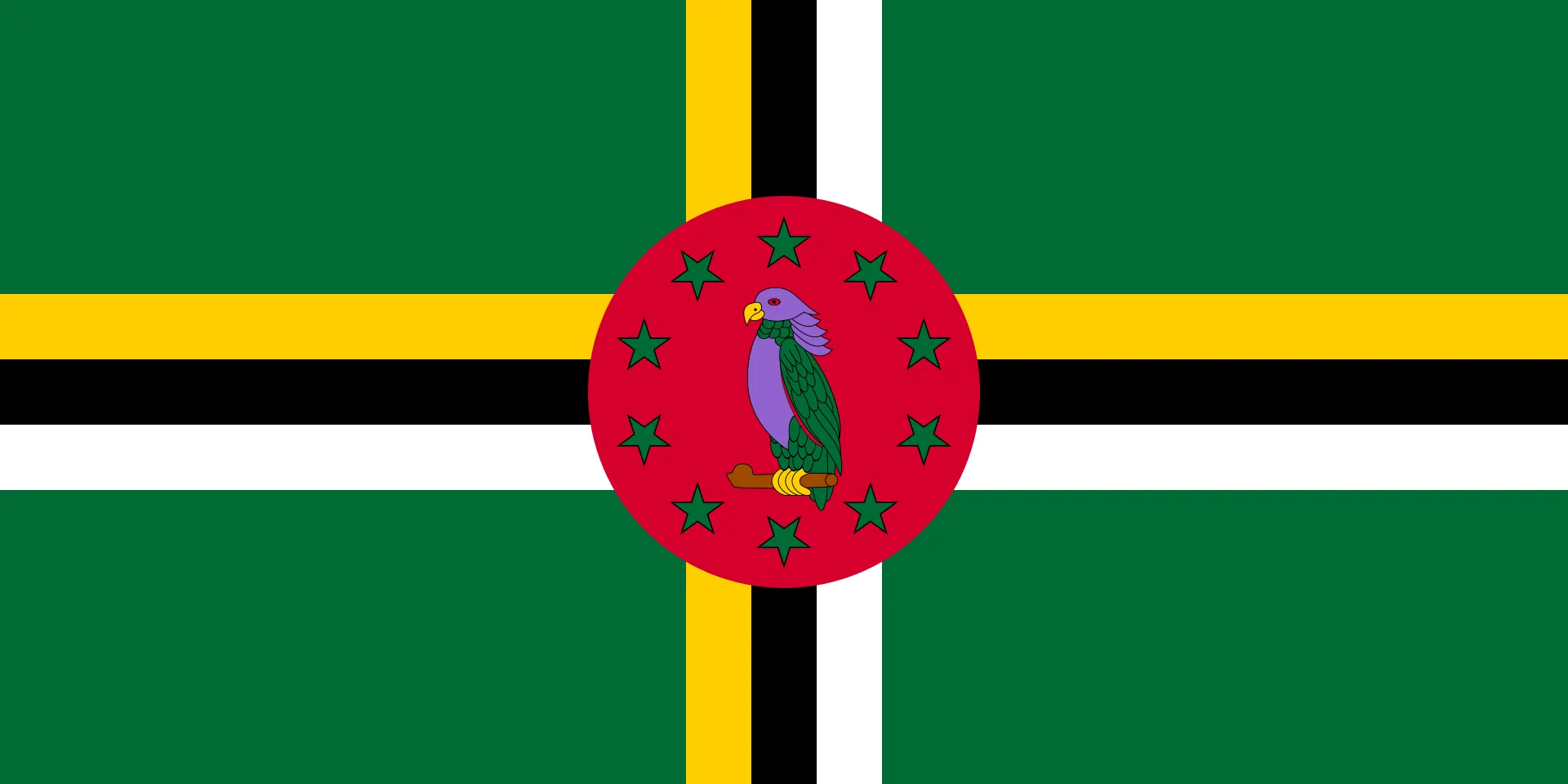
Dominica
IndigenousSovereignty
4 min read
Updated By: History Editorial Network (HEN)
Published:
Updated:
In the mid-17th century, Dominica and St. Vincent were areas of contention between European colonial powers. As both Britain and France were expanding their influence in the Caribbean, these islands represented strategic and economic interests. However, the native Carib populations strongly resisted European colonization efforts, leading to ongoing conflicts.
To minimize their losses and avoid further military engagements, Britain and France agreed to abandon claims to Dominica and St. Vincent, designating them as neutral territories reserved for the Caribs. This decision was influenced by the logistical and financial burdens of maintaining control over these rugged, mountainous islands and the persistent and fierce resistance by the Carib people.
The abandonment agreement underscored the growing weariness of European powers in dealing with local resistance and the recognition, albeit temporary, of the sovereignty of indigenous people over certain territories. It also illustrated the strategic calculus of minimizing conflict to focus resources on more profitable colonies.
This agreement did not translate into long-term peace. Over time, European colonial ambitions resurged, leading to renewed conflicts and eventual reoccupation of the islands. However, the brief period of recognition of Carib autonomy left a notable mark in the history of colonial resistance.
#ColonialHistory #CaribResistance #NeutralTerritories #IndigenousSovereignty #Dominica #StVincent #MoofLife
Primary Reference
Distrr RESTRICTED AHG/SEM/SSC/84/1 1 November 1984 ...
Explore the Life Moments of
 AI Twin