Dominica Achieves Independence From Britain
Dominica
Political
Global Trade
4 min read
Updated By: History Editorial Network (HEN)
Published:
Updated:
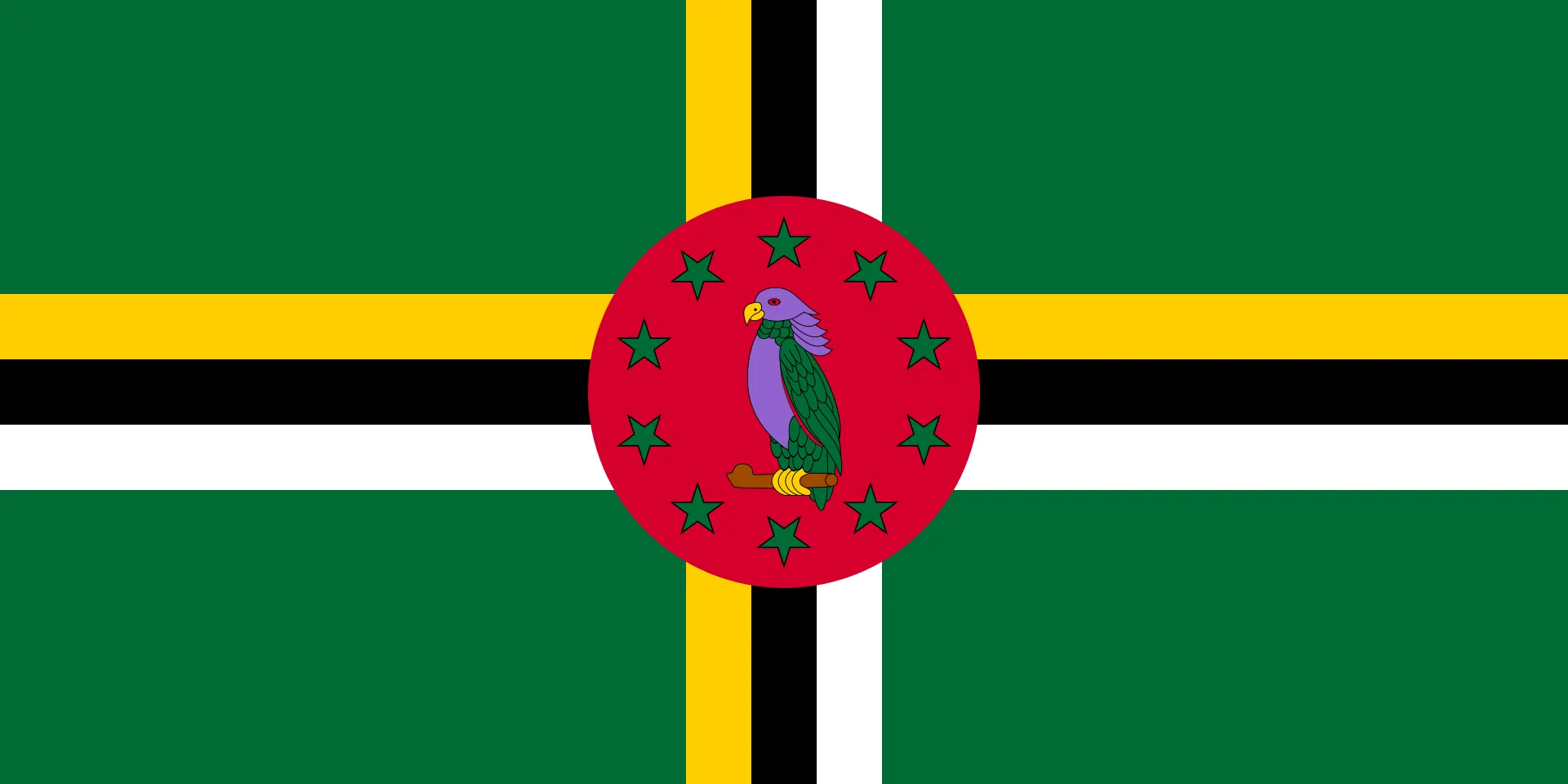
Dominica, a small island nation in the Caribbean, achieved independence from the United Kingdom on November 3, 1978. This marked the culmination of a gradual process of decolonization that had been underway in the Caribbean region for decades. Dominica had been under British colonial rule since the 18th century, and by the mid-20th century, the push for self-governance gained momentum. The island had previously been part of the short-lived West Indies Federation (1958–1962) and later became an associated state of the UK in 1967, which granted it full internal self-government while the UK retained control over defense and foreign affairs. However, the desire for complete sovereignty led to negotiations, and in 1978, Dominica formally severed its colonial ties, becoming an independent republic within the Commonwealth.
The transition to independence was led by Prime Minister Patrick John, who became the country's first head of government. The new nation adopted a democratic system with a parliamentary framework, and Sir Louis Cools-Lartigue served as the first interim President. Independence Day is celebrated annually on November 3 with cultural events, parades, and ceremonies that highlight Dominica's rich heritage and national pride. Despite facing challenges such as economic instability and natural disasters in the years following independence, Dominica has maintained its sovereignty and continues to play an active role in regional and international affairs, particularly through its membership in organizations like the Caribbean Community (CARICOM) and the United Nations.
#CommonwealthOfDominica #Independence #CaribbeanHistory #Decolonization #MoofLife
Primary Reference
Dominica - Countries - Office of the Historian
Explore the Life Moments of
 AI Twin