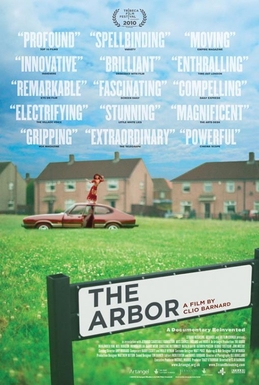
The Arbor
Documentary
Media
Truth Games
4 min read
Updated By: History Editorial Network (HEN)
Published:
Updated:
The evolution of documentary filmmaking has seen a shift towards hybrid forms that challenge traditional methods of fact production. Hybrid documentaries, such as Clio Barnard's The Arbor, utilize innovative storytelling techniques to engage audiences in a more interactive manner. These films often incorporate elements of fiction and non-fiction, blurring the lines between reality and representation. By employing 'truth games', these documentaries invite viewers to question the nature of truth and the reliability of the information presented. This approach fosters an open dialogue between the subject and the audience, allowing for multiple interpretations and a deeper understanding of the themes explored. The Arbor exemplifies this trend by presenting a narrative that is grounded in factual events while simultaneously encouraging viewers to reflect on the complexities of memory and representation.
The impact of hybrid documentaries extends beyond mere storytelling; they challenge the conventions of documentary filmmaking and the audience's expectations. By not providing explicit conclusions or clear-cut messages, these films compel viewers to engage critically with the content. This method of fact production has gained traction in contemporary media, as audiences become more receptive to experimental narratives that reflect the complexities of real-life issues. The rise of hybrid documentaries signifies a broader cultural shift towards recognizing the subjective nature of truth and the importance of diverse perspectives in understanding reality. As filmmakers continue to explore these innovative approaches, the landscape of documentary filmmaking is likely to evolve further, encouraging a more nuanced discourse around the representation of facts in media.
#mooflife
#MomentOfLife
#HybridDocumentaries
#ClioBarnard
#TheArbor
#TruthGames
#DocumentaryFilmmaking

Explore the Life Moments of
 AI Twin