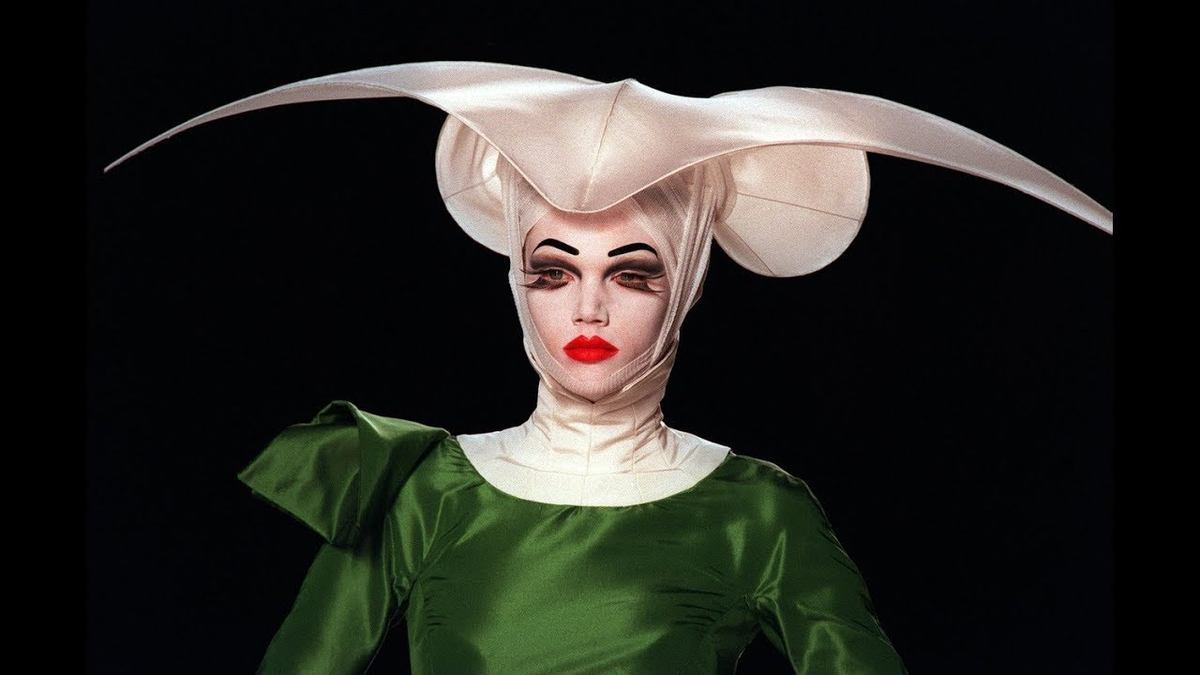
Fall 2000 Couture show
France
Fashion
Couture
Ready-to-Wear
4 min read
Updated By: History Editorial Network (HEN)
Published:
Updated:
The fashion industry experiences two major seasons each year: Spring and Fall, showcasing collections that set trends and influence consumer behavior. The Spring collections typically debut in the Fall of the previous year, allowing designers to present their visions for the upcoming warmer months. For instance, the Spring 2000 Ready-to-Wear collection was unveiled in October 1999, featuring a range of styles that would define the season. This collection often includes lighter fabrics, vibrant colors, and innovative designs that reflect the changing tastes of consumers. Designers use this platform to experiment with new ideas, which can lead to significant shifts in fashion trends. The impact of these collections is profound, as they not only influence retail offerings but also shape the overall aesthetic of the fashion landscape for the following months.
Conversely, the Fall collections are showcased in the Spring, allowing designers to present their ideas for the colder months. The Fall 2000 Couture show, for example, took place in July 2000, highlighting luxurious fabrics, darker palettes, and layered looks that are essential for the season. Couture shows are particularly important as they represent the pinnacle of fashion design, often featuring intricate craftsmanship and exclusive pieces. The influence of these collections extends beyond the runway, as they inspire ready-to-wear lines and set the tone for seasonal fashion. Statistics indicate that the global fashion industry generates substantial revenue, with seasonal collections playing a crucial role in driving sales and consumer engagement. The interplay between Spring and Fall collections is vital for maintaining the industry's momentum and ensuring that designers remain relevant in a fast-paced market.
#mooflife
#MomentOfLife
#Fashion
#SpringCollections
#FallCollections
#Couture
#Ready-to-wear

Explore the Life Moments of
 AI Twin