The Rise of FARC
Colombia

Political
Social
3 min read
Updated By: History Editorial Network (HEN)
Published:
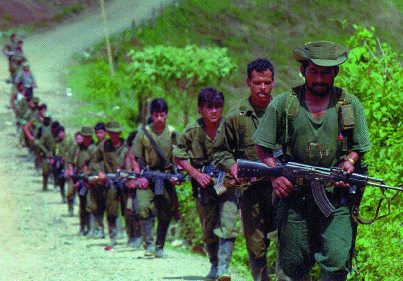
Originating from a rural peasantry movement in Colombia, the establishment of the FARC guerrilla group was a response to socioeconomic inequalities and government neglect predominantly affecting the rural poor. The marginalized communities sought to protect their rights and gain political representation.
The group quickly developed a reputation for armed resistance, aiming to overthrow the government and implement a Marxist-Leninist regime. Engaging in kidnappings, drug trafficking, and bombings, the FARC gained notoriety for its tactics and control of rural territories.
The impact of the FARC was substantial, leading to decades of violent conflict with government forces, resulting in numerous casualties and displacements. Efforts to negotiate peace agreements were made over the years, culminating in a peace deal in 2016 that saw the group disband and transition into a political party.
Despite the end of its armed activities, the FARC's legacy continues to influence Colombian politics and society, shaping discussions on inequality, justice, and the reintegration of former combatants into civilian life.
#FARCGuerrillaGroup #ColombianConflict #PeaceDeal #RuralResistance

Explore the Life Moments of
 AI Twin