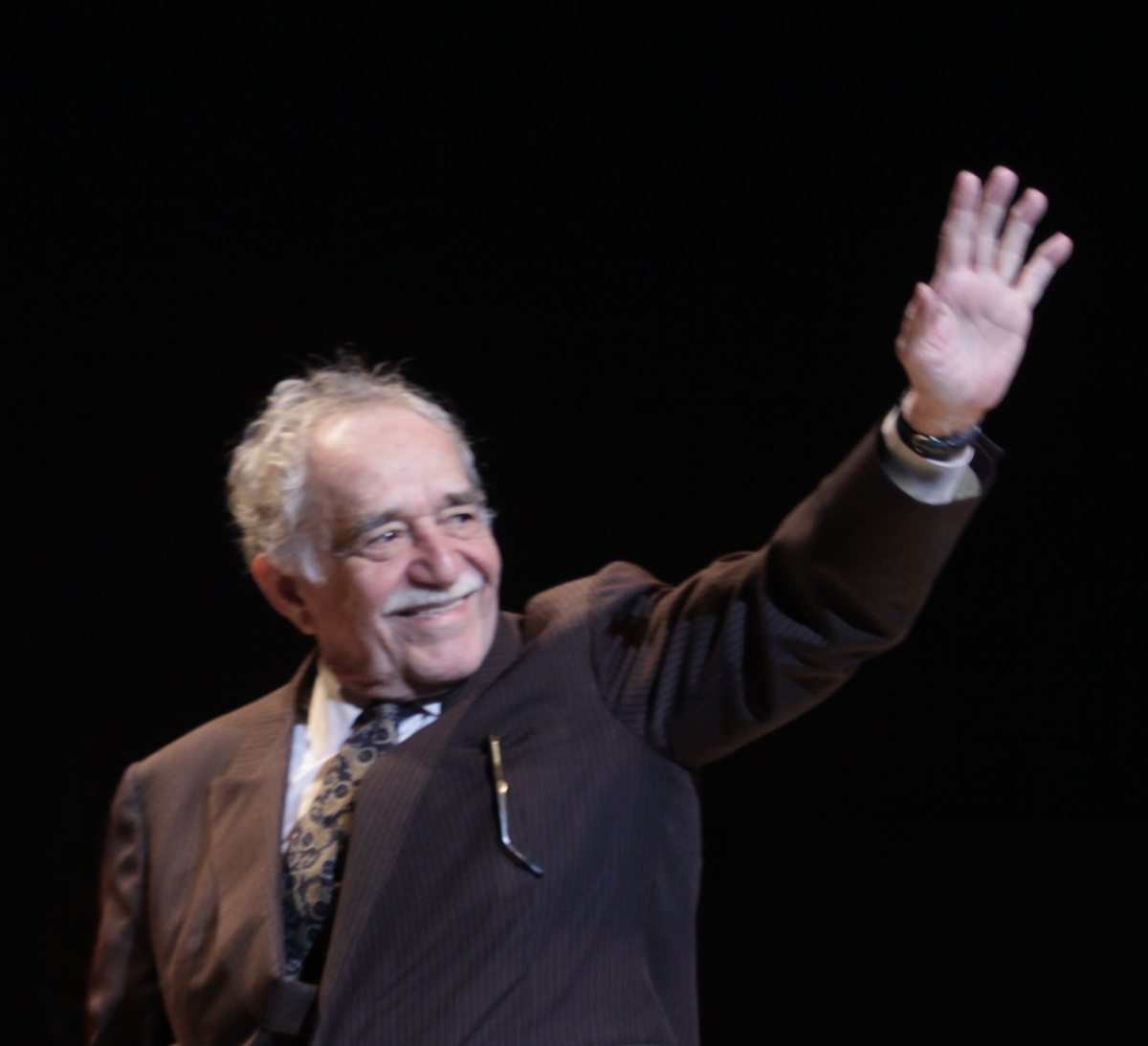
Nobel Prize in Literature awarded to Gabriel García Márquez, highlighting Colombian literature globally.
Colombia

9 min read
Updated By: History Editorial Network (HEN)
Published:
On October 22, 1982, Colombian novelist Gabriel García Márquez was awarded the Nobel Prize in Literature. This recognition not only celebrated García Márquez's extraordinary literary achievements but also highlighted Colombian literature and Latin American storytelling on the global stage. His unique narrative style, known as magical realism, and his profound exploration of human experience and history have left an indelible mark on world literature.
Early Life and Literary Career
Gabriel García Márquez was born on March 6, 1927, in the small town of Aracataca, Colombia. Raised by his maternal grandparents, who were skilled storytellers, García Márquez was deeply influenced by their tales of folklore, history, and superstitions. This early exposure to storytelling traditions shaped his imaginative writing style.
García Márquez initially pursued a career in journalism, which profoundly influenced his literary work. His experiences as a journalist provided him with a keen eye for detail and a deep understanding of political and social issues, themes that permeated his novels.
Major Works
García Márquez's literary career includes several landmark works that showcase his masterful storytelling and innovative use of magical realism:
"One Hundred Years of Solitude" (1967): Perhaps his most famous work, this novel chronicles the multi-generational story of the Buendía family in the fictional town of Macondo. The novel blends reality and fantasy, creating a rich tapestry that explores themes of love, power, and destiny. It is widely regarded as one of the greatest novels of the 20th century.
"Love in the Time of Cholera" (1985): This novel tells the story of a decades-long love affair between Fermina Daza and Florentino Ariza. It explores the nature of love, aging, and memory with García Márquez's characteristic blend of realism and magical elements.
"The Autumn of the Patriarch" (1975): This novel is a portrait of a Caribbean dictator, reflecting García Márquez's critical view of political power and corruption in Latin America.
"Chronicle of a Death Foretold" (1981): This novel reconstructs the events leading up to a murder in a small town, examining themes of honor, fate, and communal responsibility.
Nobel Prize in Literature
The Nobel Committee awarded García Márquez the Nobel Prize in Literature in 1982 for his "novels and short stories, in which the fantastic and the realistic are combined in a richly composed world of imagination, reflecting a continent's life and conflicts." This recognition affirmed the global significance of his work and the rich literary traditions of Latin America.
Impact and Legacy
García Márquez's Nobel Prize had a profound impact on literature and culture:
Global Recognition of Latin American Literature: The award highlighted the richness and diversity of Latin American literature, bringing greater international attention to other writers from the region.
Popularizing Magical Realism: García Márquez's use of magical realism, where magical elements are woven into realistic settings, became a defining feature of his work and influenced countless writers worldwide. This narrative technique allowed him to explore complex social and political realities in a unique and compelling way.
Cultural and Political Influence: García Márquez's works often addressed themes of political corruption, social injustice, and human rights. His writings provided a powerful commentary on the challenges faced by Latin American societies and resonated with readers worldwide.
Inspiration for Writers: García Márquez inspired generations of writers to experiment with narrative form and content, encouraging them to explore the interplay between reality and imagination.
Personal Life and Later Years
García Márquez continued to write and engage in political activism throughout his life. He was known for his friendships with political leaders, including Fidel Castro, and his outspoken views on social and political issues.
He lived in various countries, including Mexico, Spain, and France, but always maintained a deep connection to his native Colombia. His later works continued to receive acclaim, and he remained a beloved figure in the literary world until his death on April 17, 2014.
#MomentsOfLife #MoofLife_Moment #MoofLife #GabrielGarciaMarquez #NobelPrize #Literature #MagicalRealism #ColombianLiterature #LatinAmericanLiterature #1982

Explore the Life Moments of
 AI Twin