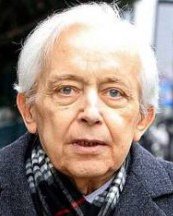
Cornelius Gurlitt's Lost Art Collection: Debate over WW II Looted Artworks and Restitution Efforts.
France
Art Restitution Art Theft
4 min read
Updated By: History Editorial Network (HEN)
Published:
Updated:
Cornelius Gurlitt, the son of a German art dealer, was discovered to possess a substantial collection of artworks that were believed to be lost or looted during World War II. Among these works was a painting by Claude Monet, a French impressionist artist. This piece had long been missing and was previously owned by a Jewish retail magnate.
The discovery took place in Munich when authorities, investigating potential tax evasion, stumbled upon Gurlitt's secret stash. The collection amounted to over 1,400 pieces, with an estimated value exceeding a billion dollars. The discovery initiated an international debate over art restitution and the ethics surrounding artworks seized during periods of conflict, particularly those involving Nazi looting during the Second World War.
The Monet painting in question belonged to a prominent Jewish family before it disappeared during the Nazi regime. This revelation shed light on the broader issue of provenance and the efforts required in tracking the rightful ownership of art displaced during the war. The global community, including art historians and Jewish groups, expressed a renewed call for thorough investigation into the provenance of artworks to ensure their return to rightful owners or their heirs.
Cornelius Gurlitt's collection became emblematic of a broader, systemic problem within the art world - the verification and rightful restitution of cultural property. International efforts have since increased to catalog and return looted works, addressing decades of loss and seeking to bring justice to those affected by the wartime expropriation.
#ArtRepatriation #CulturalHeritage #MonetRediscovered #NaziLootedArt #JewishHeritage #MoofLife
Primary Reference
Love and Theft by James McAuley, Even Magazine
Explore the Life Moments of
 AI Twin