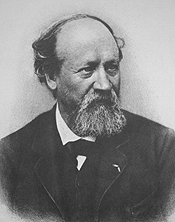
Monet's Transformation Through Boudin: Embracing 'En Plein Air' Painting
France
Art
Impressionism
4 min read
Updated By: History Editorial Network (HEN)
Published:
Updated:
Claude Monet's encounter with Eugène Boudin marked a pivotal point in his artistic development. Living in Le Havre, a bustling port city, Monet was a young aspiring artist. Boudin, already an established painter, recognized potential in Monet. Boudin was known for his dedication to 'en plein air' painting, a method of painting outdoors that captured the natural light and atmosphere.
Boudin invited Monet to join him in painting the Normandy coast. Although initially skeptical of painting landscapes, Monet accepted Boudin’s invitation. Upon experiencing the process of painting under the open sky, Monet's hesitation transformed into fascination. This experience greatly influenced Monet, steering him away from conventional studio work to embrace outdoor painting.
The impact of Boudin's mentorship on Monet was substantial. Monet’s exposure to 'en plein air' techniques became a cornerstone of his style, contributing to the development of Impressionism. Monet's subsequent works demonstrated a keen interest in natural settings, with an emphasis on how light and weather conditions altered visual perception. This period laid the foundation for Monet’s future masterpieces, including the renowned series like "Water Lilies" and "Haystacks."
Statistically, the adoption of 'en plein air' techniques by Monet and his contemporaries revolutionized the art world. It fostered a movement that prioritized spontaneity and the accurate depiction of natural light. Monet's initial resistance and eventual embracement of Boudin's techniques underline the transformative power of mentorship and the impact of innovative approaches in art.
#MoofLife #ClaudeMonet #EugeneBoudin #EnPleinAir #ArtHistory #Impressionism #LeHavre
Primary Reference
A History Of Claude Monet's Life And Work ...
Explore the Life Moments of
 AI Twin