Impact of Mao Zedong's Death on the Cultural Revolution
China
Political
Economic Downturn
3 min read
Updated By: History Editorial Network (HEN)
Published:
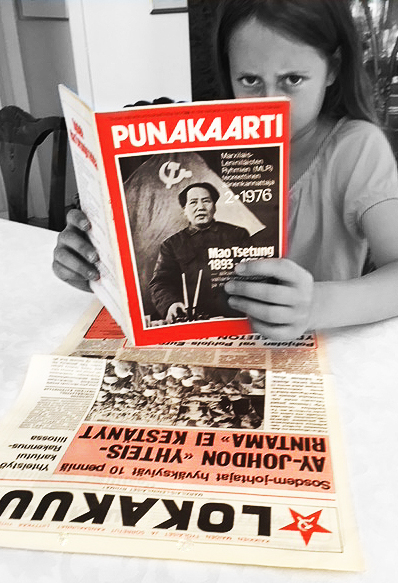
Following the prolonged period of the Cultural Revolution in China, Mao Zedong's death marked the end of an era characterized by political turmoil and social upheaval. As the founding father of the People's Republic of China, Mao had wielded significant influence over the nation through his communist ideology. However, his policies, such as the Great Leap Forward and the Red Guard movement, had led to widespread suffering and unrest.
With Mao's passing, the Chinese government underwent a significant shift in leadership, ultimately leading to the dismantling of the radical political initiatives that had defined the Cultural Revolution. Deng Xiaoping emerged as a key figure in steering China towards a more pragmatic and economically focused path, marking a departure from Mao's revolutionary fervor.
The death of Mao Zedong not only signified the end of an authoritarian era but also paved the way for economic reforms and opening up to the global market. China transitioned towards a more market-oriented economy, embracing capitalism while retaining its socialist political system.
The event reshaped the political landscape in China, bringing an end to the chaos and violence that had characterized the Cultural Revolution. It marked a turning point in Chinese history, setting the stage for the country's rapid economic growth and emergence as a global superpower.
#MaoZedong #CulturalRevolution #EndofAnEra #ChinaReforms
Explore the Life Moments of
 AI Twin