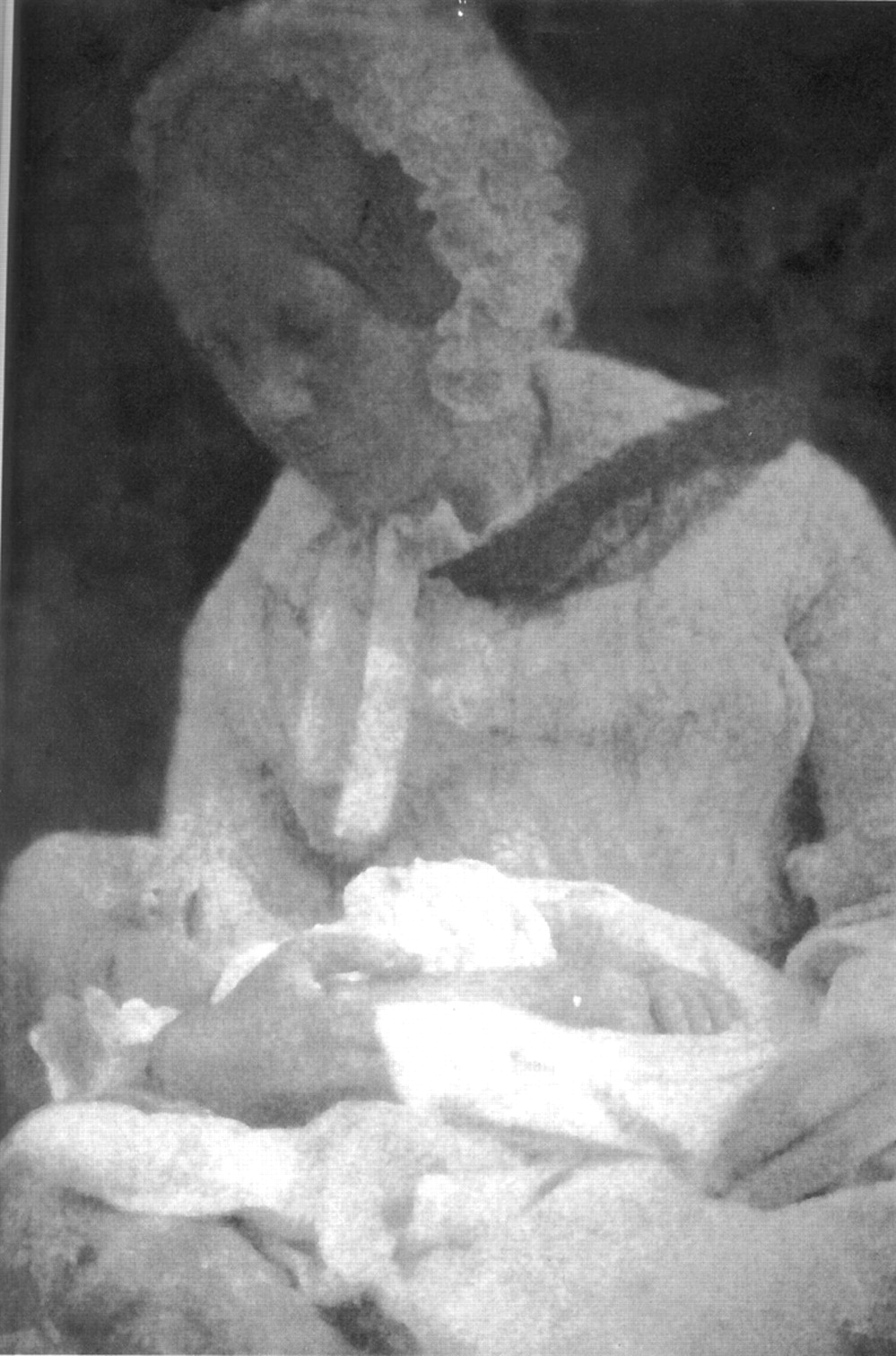
Darwin's Son Succumbs to Scarlet Fever: A Profound Loss Shapes Scientific Contributions
United Kingdom
Science
Tragedy
4 min read
Updated By: History Editorial Network (HEN)
Published:
Updated:
Charles Waring Darwin, the youngest son of the renowned naturalist Charles Darwin and his wife Emma, succumbed to scarlet fever. He had been the couple’s tenth child, holding a special place in their family. At the time, scarlet fever was a common and often deadly childhood illness due to the lack of effective medical treatments. The loss of Charles Waring added to the grief that the Darwin family had already experienced with the earlier deaths of their children.
This event profoundly affected Charles Darwin, who was deeply involved in his work on natural selection. The personal tragedy underscored the prevalent child mortality rate during the period, reflecting the broader societal struggles with infectious diseases. The loss reinforced Darwin's understanding of natural selection's principles, particularly the survival aspect in an environment fraught with deadly diseases.
The incident is often noted within the context of Darwin’s comprehensive research on species and human evolution, as it provided him with a deeply personal acquaintance with the fragility of life. Despite the tragedy, Darwin continued his scientific work with renewed focus, profoundly shaping his contributions to biology and the scientific community.
In the broader social context, this highlights the limited medical knowledge and healthcare challenges of the time, emphasizing how far medical science has progressed since then. Additionally, it brings attention to the private struggles that prominent historical figures often faced alongside their public lives and accomplishments.
#CharlesDarwin #FamilyLife #HistoricalFigures #MedicalHistory #Evolution #MoofLife

Explore the Life Moments of
 AI Twin