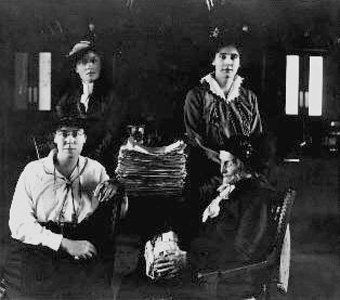
Women granted federal voting rights across Canada, a significant historical milestone for equality progress.
Canada
Political
Gender Equality
7 min read
Updated By: History Editorial Network (HEN)
Published:
On May 24, 1918, a landmark event unfolded in Canada: women were granted the right to vote in federal elections. This momentous occasion marked a significant milestone in the ongoing struggle for gender equality and the broader push for democratic rights across the country.
The Context and Struggle for Women's Suffrage in Canada
The journey towards this achievement was long and arduous, characterized by decades of activism and advocacy. The women's suffrage movement in Canada began in the late 19th century, driven by women who were determined to secure their place in the democratic process. The movement was influenced by global developments, particularly the suffrage movements in the United Kingdom and the United States.
Early Efforts and Provincial Progress
Before federal enfranchisement, the struggle for women's voting rights saw various successes at the provincial level. Manitoba was the first province to grant women the right to vote in provincial elections in January 1916, followed by Saskatchewan and Alberta later that year. Other provinces soon followed, although the path was not uniform across the country.
Key Figures and Organizations
The fight for suffrage was championed by numerous organizations and individuals. Prominent among them was Nellie McClung, a member of the "Famous Five," a group of women who played a crucial role in advocating for women's rights in Canada. Their efforts, along with those of other activists and organizations like the Women's Christian Temperance Union and the National Council of Women of Canada, were instrumental in shifting public opinion and pressuring the government to extend voting rights to women.
The Wartime Context
World War I significantly influenced the women's suffrage movement in Canada. As men went off to fight, women took on roles that were traditionally held by men, working in factories, on farms, and in other critical sectors. This shift demonstrated women's capability and reinforced the argument that they deserved equal political rights.
The Legislation of 1918
On May 24, 1918, the federal government, under Prime Minister Robert Borden, officially extended the right to vote to most women aged 21 and over who were not alien-born and met the property requirements that applied to men. This legislation marked a significant victory, although it did not include all women. Indigenous women and women of certain ethnic minorities, for example, continued to face voting restrictions.
Aftermath and Continuing Struggle
The granting of federal voting rights to women in 1918 was a crucial step forward but not the end of the journey toward full equality. Over the following decades, activists continued to fight for the rights of all women, including Indigenous women, who did not gain the right to vote without restriction until 1960. This milestone of 1918, however, laid the groundwork for subsequent advances and was a testament to the power of collective action and persistence in the face of systemic barriers.
Legacy
The enfranchisement of women at the federal level in Canada is celebrated as a pivotal moment in the nation's history. It underscored the importance of inclusive democracy and set a precedent for future generations to continue the pursuit of equality and justice for all.
Hashtags
#MomentsOfLife #MoofLife_Moment #MoofLife #CanadianHistory #WomensRights #Suffrage #Equality #Democracy #NellieMcClung #FamousFive
Primary Reference
Women's Suffrage | The Canadian Encyclopedia

Explore the Life Moments of
 AI Twin