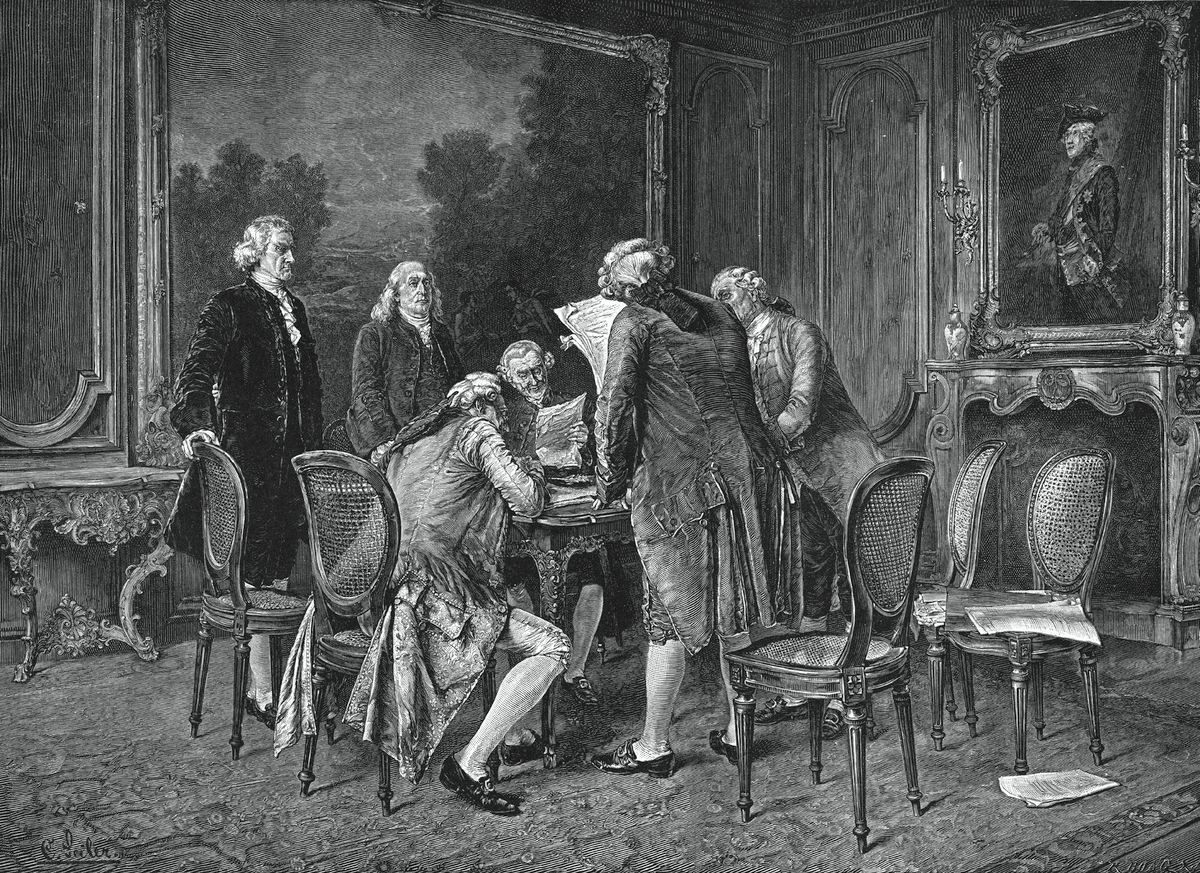
Treaty of Paris ends Seven Years' War, British gains control over New France.
Canada
Political
3 min read
Updated By: History Editorial Network (HEN)
Published:
The Treaty of Paris marked the end of the Seven Years' War, transferring New France from French to British control. This pivotal event was a result of years of conflict between European powers for dominance in North America. With the signing of the treaty, France relinquished its territories in Canada, including Quebec and Montreal, to Britain.
The transfer of New France to British control had far-reaching consequences for the region. The British takeover led to major changes in governance, legal systems, and land ownership in the newly acquired territories. English became the dominant language, and British institutions were established, shaping the future of the region.
The treaty not only altered the political landscape of North America but also had a lasting impact on the lives of the inhabitants of New France. The French settlers faced the challenge of adapting to British rule, while Indigenous peoples in the region had to navigate the changing power dynamics brought about by the transfer of control.
The Treaty of Paris signing was a turning point in Canadian history, marking the beginning of British colonial rule in the region. Its effects can still be seen today in the cultural and linguistic diversity of modern Canada, a legacy of the complex history of European colonization in North America. #TreatyofParis #SevenYearsWar #NewFrance #BritishControl #Canada
Primary Reference
MILESTONES: 1750–1775 Treaty of Paris, 1763

Explore the Life Moments of
 AI Twin