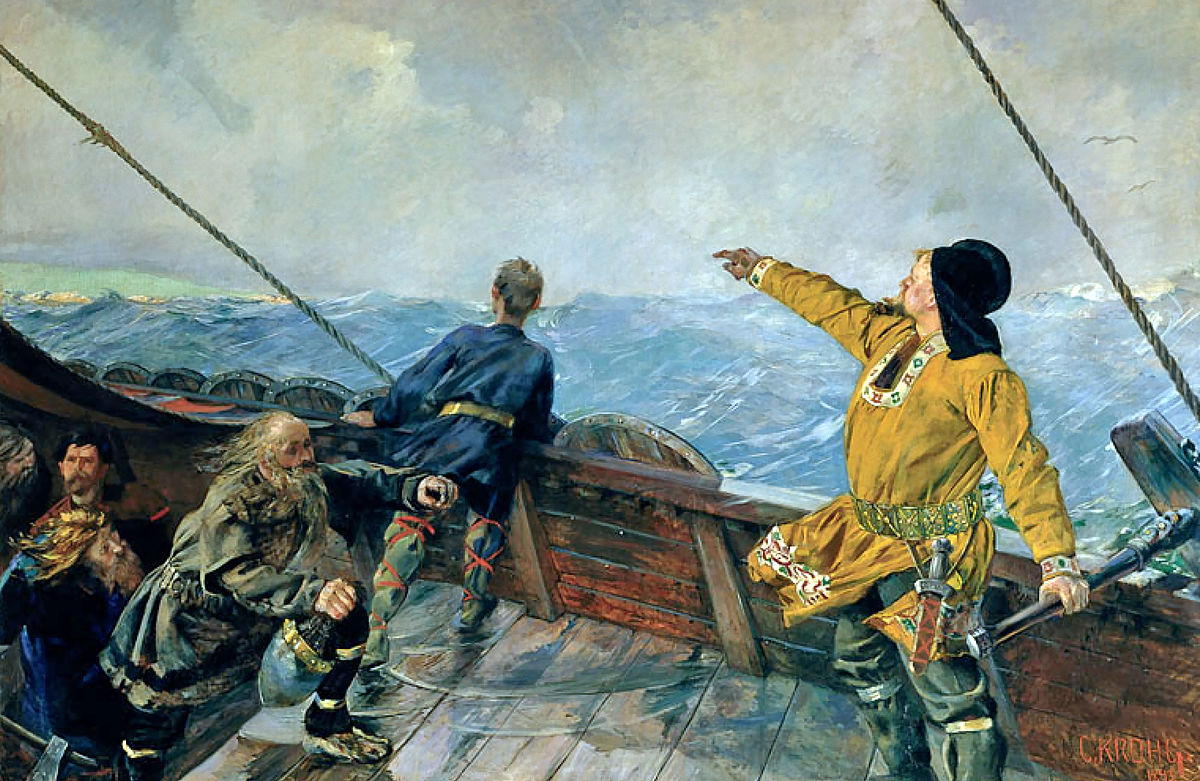
Norse explorers reached Newfoundland, revealing past interactions.
Canada
Exploration
3 min read
Updated By: History Editorial Network (HEN)
Published:
Around a millennium ago, Norse explorers made landfall on the shores of present-day Newfoundland, Canada. Led by the legendary Viking, Leif Eriksson, the Norse expedition marked the first known European exploration of the North American continent.
For centuries, this event was overlooked in history until archaeological evidence in Newfoundland uncovered a settlement dating back to around the same period as the Norse arrival. This discovery solidified the Norse presence in the region and reshaped historical narratives of early exploration in North America.
The arrival of Norse explorers in Newfoundland showcased their seafaring prowess and their ability to navigate vast distances. It also signifies the interconnectedness of different parts of the world long before the age of exploration.
The Norse exploration of Newfoundland stands as a testament to the adventurous spirit of early seafarers and their quest for new lands. As more research and excavations continue in the region, the impact of this event on shaping our understanding of early transatlantic exploration only grows.
#NorseExplorers #NewfoundlandDiscovery #VikingExploration #EarlyNorthAmericanHistory
Primary Reference
Vikings settled in North America in 1021AD, study says

Explore the Life Moments of
 AI Twin