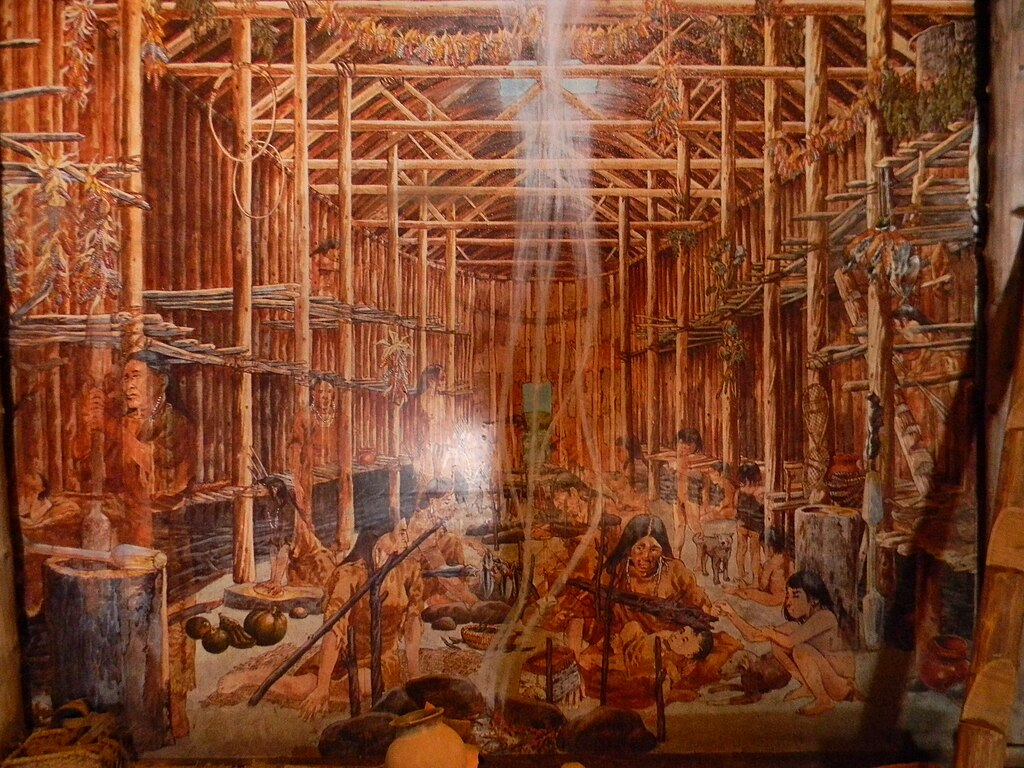
Indigenous settlements along the St. Lawrence River
Canada
Cultural Heritage
3 min read
Updated By: History Editorial Network (HEN)
Published:
During the 13th century, Indigenous communities started establishing settlements along the St. Lawrence River in Canada. These settlements played a crucial role in shaping the cultural landscape of the region, as they relied on the river for transportation, trade, and access to resources. The Indigenous groups living in these settlements had intricate social structures and governance systems that allowed them to thrive in harmony with the natural environment.
The establishment of Indigenous settlements along the St. Lawrence River had a significant impact on the development of trade networks in the area, as these communities traded goods such as furs, food, and tools with neighboring groups. This interconnection facilitated cultural exchanges and fostered alliances between different Indigenous nations.
The settlements also served as centers for traditional ceremonies, storytelling, and the passing down of ancestral knowledge from one generation to the next. This cultural continuity ensured the preservation of Indigenous languages, customs, and spiritual practices.
Today, the legacy of these Indigenous settlements along the St. Lawrence River remains an integral part of Canada's history and cultural heritage, highlighting the resilience and adaptability of Indigenous peoples in the face of changing environments.
#IndigenousSettlements #StLawrenceRiver #CulturalHeritage #TradeNetworks #CulturalContinuity
Primary Reference
The Arrival of the Europeans: 17th Century Wars - Canada.ca

Explore the Life Moments of
 AI Twin